English
 Español
 Deutsch
 FI
FI
 PT
PT
 BR
BR
 FR
FR
 AR
AR
 ZH
ZH
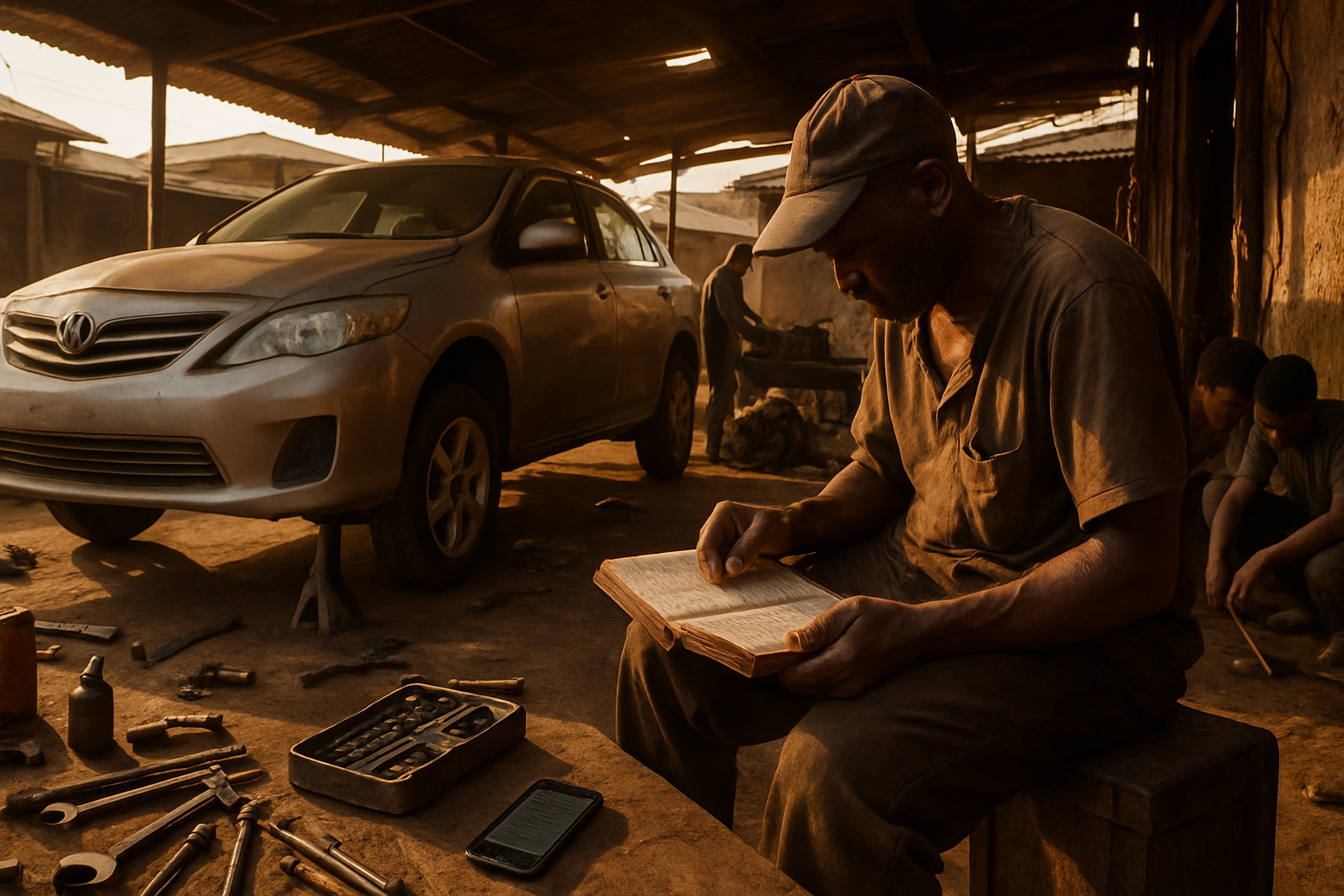
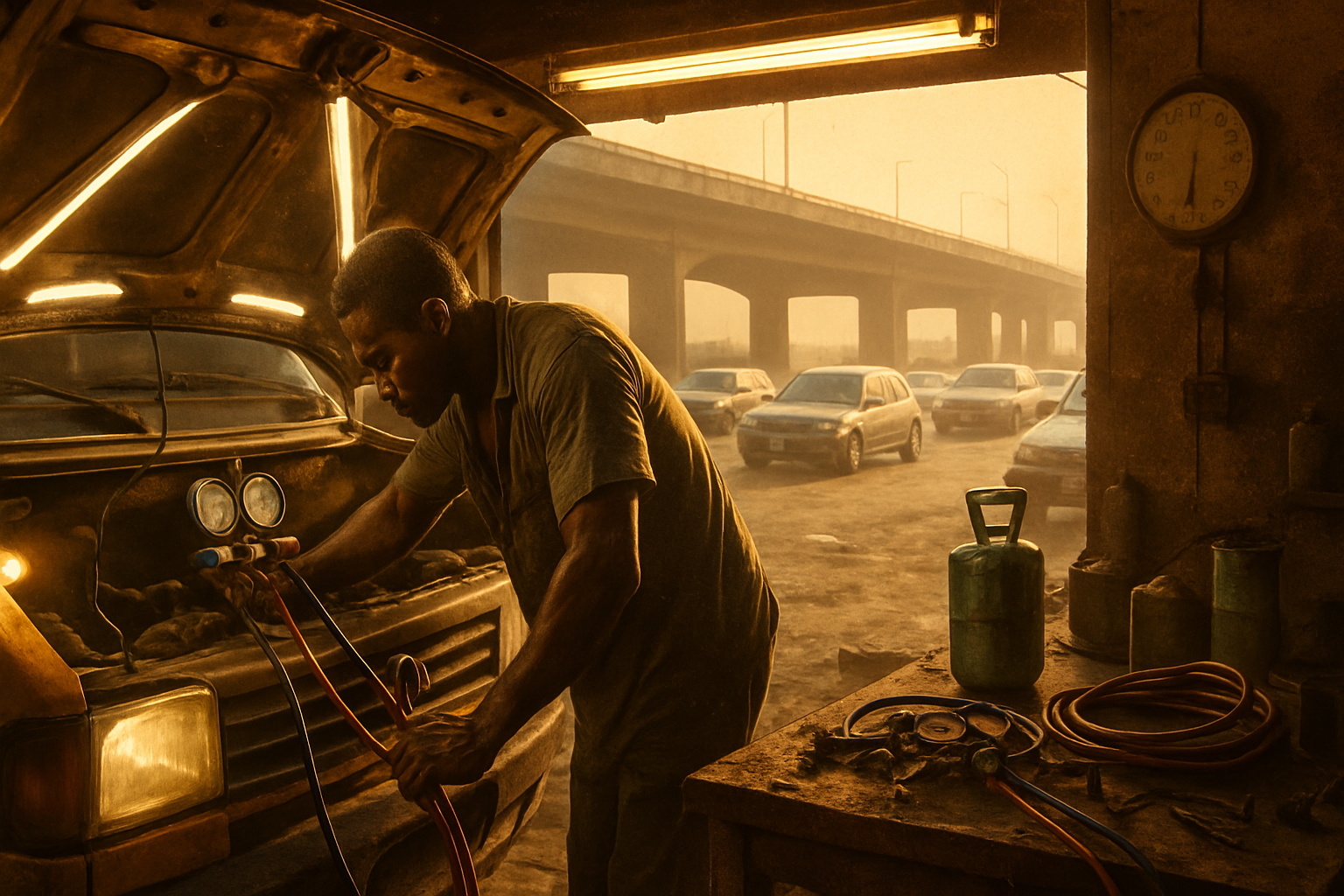
In Apo Mechanic Village, Abuja, there are over 300 workshops. Most look the same — a patch of concrete under a zinc roof, tools scattered around, apprentices sleeping on car seats during lunch break.
But some of these workshops make ₦500,000–₦1,000,000 per month while their neighbours struggle to hit ₦150,000. The difference is not talent — every mechanic in Apo is skilled. The difference is not equipment — they use the same tools. The difference is records.
Mechanic 1: Musa — The Toyota Specialist
Musa has been fixing cars for 14 years. Three years ago, he was making about ₦200,000 per month. Good, but not great. Then he started keeping a simple record of every car he worked on — customer name, phone, what he did, what he charged.
After 6 months, he noticed something: 60% of his work was on Toyota. Corolla, Camry, RAV4, Highlander. So he leaned into it. He stocked common Toyota parts. He learned every Toyota quirk. He started telling customers: "I am a Toyota specialist."
Word spread. Toyota owners started seeking him out. His prices went up because specialists can charge more. Today, Musa makes ₦700,000–₦900,000 per month, fixing only Toyota vehicles. His secret? He looked at his records and found his niche.
Mechanic 2: Blessing — The Follow-Up Queen
Blessing runs a workshop in Gwagwalada with her husband. She does not fix cars — she manages the business. Every customer who visits gets a follow-up call 2 weeks later: "How is the car running? Any issues?"
Most customers are shocked. "Nobody ever calls to check," they say. That phone call — which costs ₦0 — generates an average of 3 return visits per customer per year. Each return visit is worth ₦30,000–₦80,000.
With 200 customers in her phone records, those follow-up calls generate ₦1.5–₦3 million per year in additional revenue. Her husband fixes the cars. She manages the relationships. Their workshop makes ₦800,000 per month.
Mechanic 3: Chidi — The Parts Tracker
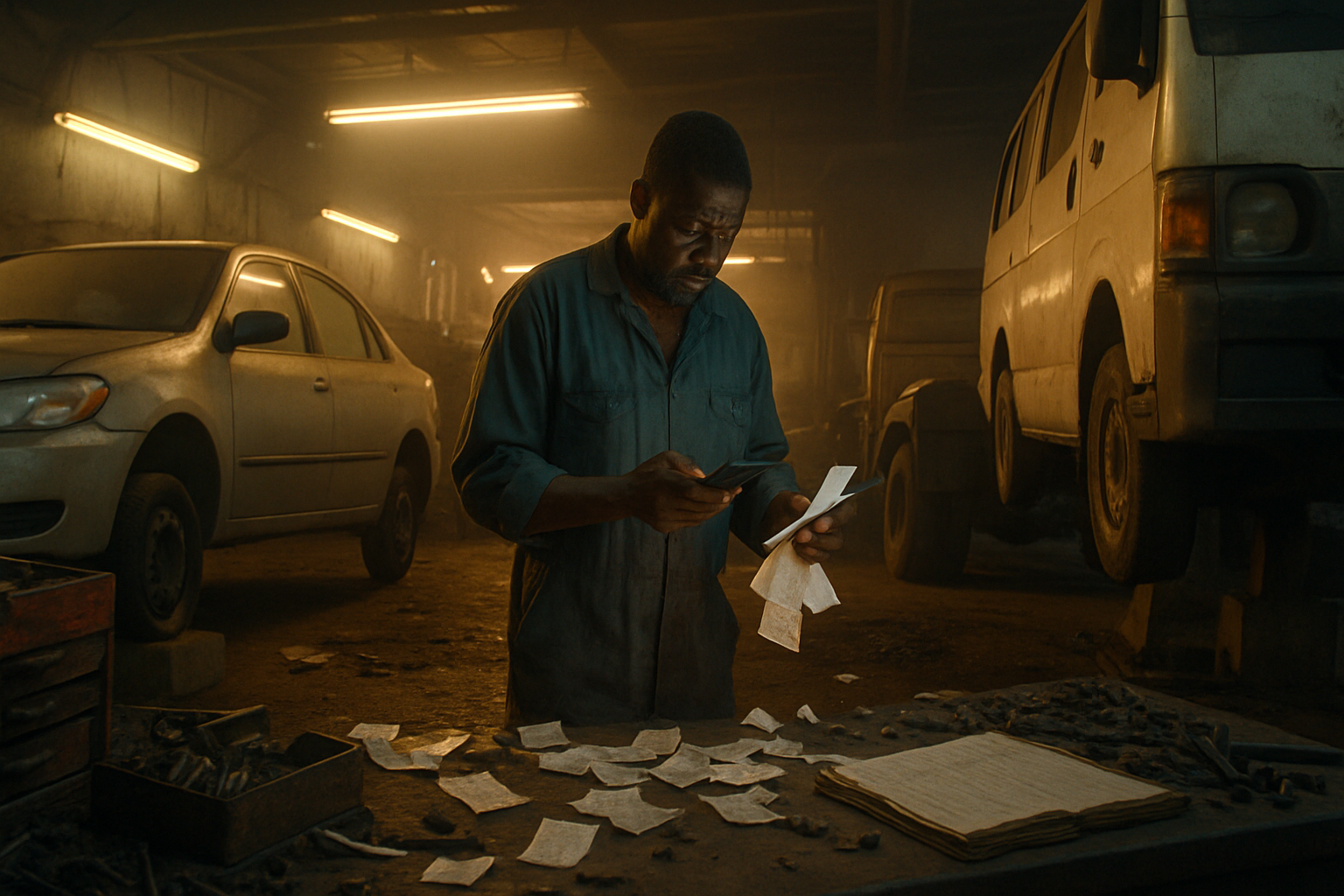
Chidi had a problem: parts were walking out of his workshop. Apprentices borrowing tools and not returning them. Brake pads disappearing from the shelf. Oil filters unaccounted for.
He started logging every part that came in and every part that went out. Within one month, he discovered ₦45,000 worth of parts were being wasted or stolen every month. He tightened controls. In 3 months, he saved ₦135,000 — enough to buy a new compressor.
Today, Chidi knows exactly what is on his shelf, what he paid for it, and where it went. His workshop runs tighter than shops twice his size.
Mechanic 4: Adamu — The Price Calculator
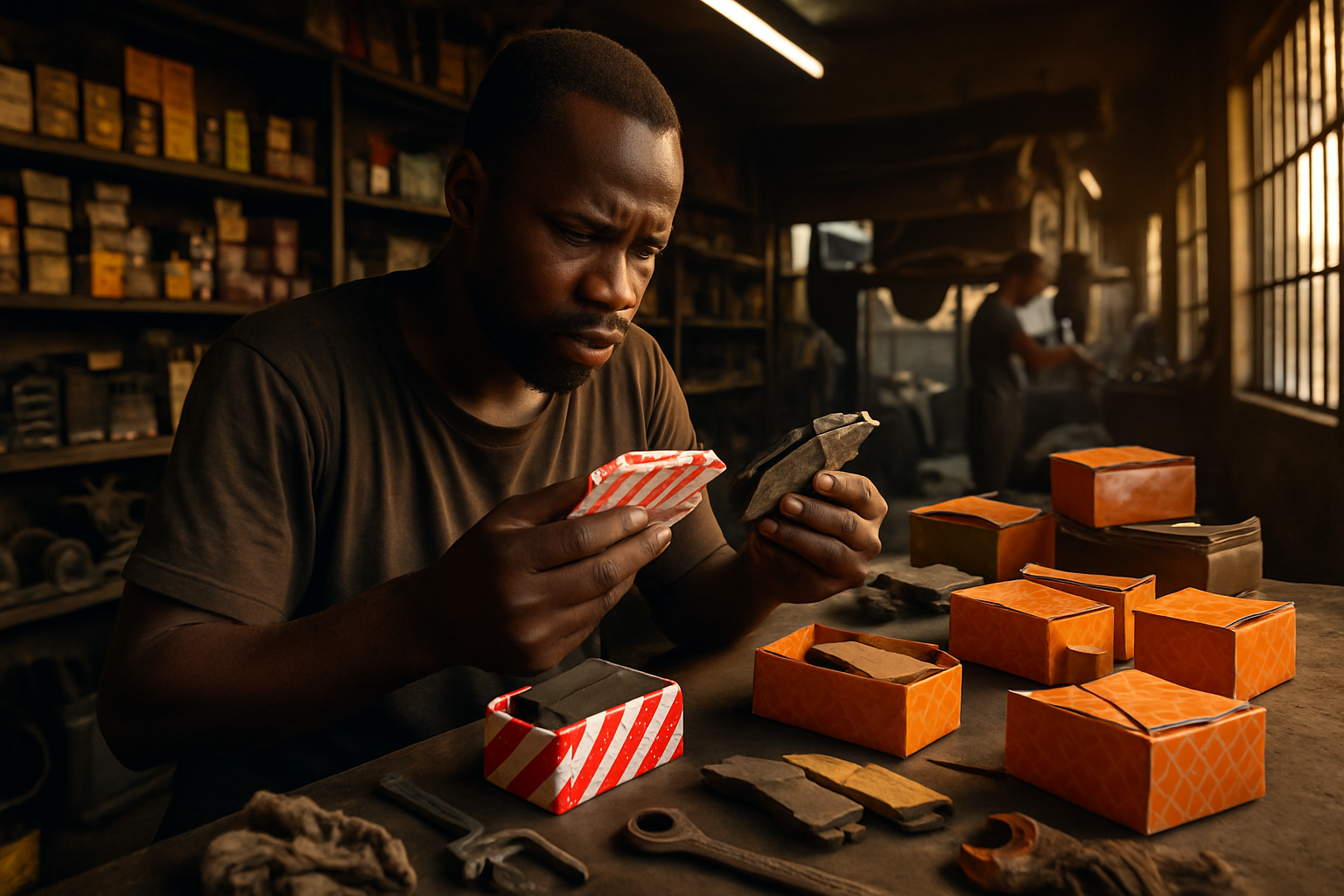
Adamu used to price jobs by gut feeling. "Brake pads for Camry? About ₦25,000." Sometimes he undercharged and lost money. Sometimes he overcharged and lost customers. He never knew which jobs were profitable and which were not.
He started recording the actual cost of parts and the time spent on each job. After 2 months, he discovered that his brake pad jobs were his most profitable service (60% margin), while his engine overhauls were barely breaking even (15% margin) because they took twice as long as he estimated.
He adjusted his pricing, focused on high-margin services, and hired another mechanic to handle the engine work. His monthly revenue went from ₦300,000 to ₦650,000.
Mechanic 5: Fatima — The Digital Invoice Pioneer
Fatima is 28 years old and runs a workshop in Wuse. She was one of the first mechanics in Abuja to send professional digital invoices via WhatsApp instead of handwritten receipts.
The result? Her customers — mostly government workers and business owners — started recommending her specifically because of her professionalism. "Go to Fatima — she gives you proper receipts. Everything documented."
In a market where trust is everything, that digital invoice became her best marketing tool. Her workshop now services 15–20 cars per week, and she has a waiting list. Her monthly revenue: ₦1.2 million.
The Common Thread
Five different mechanics. Five different approaches. But one common thread: they all keep records. They know their numbers. They know their customers. They know which services make money and which do not.
You do not need a showroom. You do not need expensive equipment. You do not need an MBA. You need a phone and a system that tracks your work.
Mekavo is that system. It is free for Nigerian workshops — no subscription, no trial, no catch. Every mechanic in these stories could have done what they did faster and easier with it.
The question is not whether you can afford to use workshop management software. The question is whether you can afford not to.