English
 Español
 Deutsch
 FI
FI
 FR
FR
 AR
AR
 ZH
ZH
The Winter Rush That Changes Everything
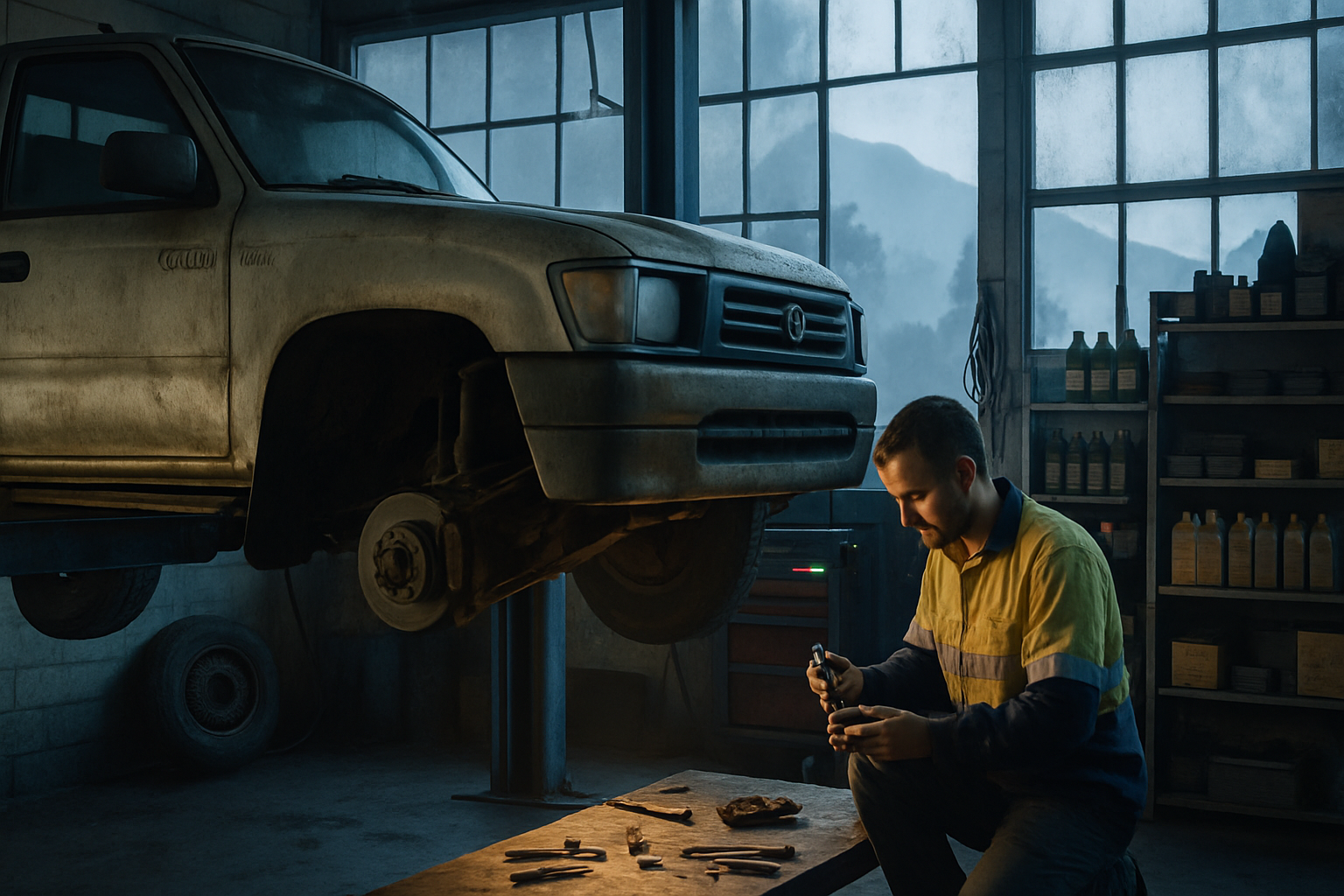
Dave Richardson runs a workshop in Orange, NSW, and every May he watches the same thing happen. "The phone starts ringing non-stop," he says, adjusting his work shirt as another Hilux rolls in with squealing brakes. "Last winter we had three brake failures in one week — all of them could've been prevented if the owners had listened to us six months earlier."
This scenario plays out across regional Australia every year. From the Blue Mountains to Tasmania's highlands, workshops see brake job demand surge by 50-70% between May and August. The smart operators aren't just reacting anymore — they're getting ahead of it.
Why Winter Breaks Brakes
The science behind winter brake failures isn't complicated, but most workshop owners don't explain it properly to customers. Here's what actually happens:
Moisture Is the Silent Killer
Sarah Chen, who runs a workshop in Ballarat, learned this the hard way. "We had a Ford Territory come in with complete brake failure on the Western Highway," she recalls. "The brake fluid looked fine, but when we tested it, the moisture content was off the charts."
Brake fluid is hygroscopic — it absorbs moisture from the air. In winter, humidity levels fluctuate wildly, especially in mountain areas. That moisture doesn't just sit there harmlessly:
- Boiling point drops: Clean brake fluid boils at 230°C. With just 3% moisture content, that drops to 170°C
- Internal corrosion: Water causes brake lines and master cylinders to rust from the inside
- Inconsistent pedal feel: Moisture creates compressible vapour bubbles under pressure
Temperature Cycling Stress
Mark Peters operates three workshops across the Snowy Mountains region and sees the same pattern every year. "People drive down from Sydney, hit the brakes hard coming down the mountains, then park overnight in freezing temperatures," he explains. "The constant expansion and contraction cracks brake pads and warps rotors."
This temperature cycling is particularly brutal on:
- Brake pad adhesive bonds
- Rotor surface integrity
- Brake line flexibility
- Caliper seal elasticity
Diagnostic Procedures That Actually Work
The workshops making serious money from winter brake work aren't just replacing parts — they're diagnosing problems before customers even know they exist.
Brake Fluid Moisture Testing
"I bought a proper brake fluid tester three years ago for A$180. It's paid for itself probably fifty times over." — Jenny Martinez, Katoomba Auto Service
Here's the testing protocol that works:
- Test every vehicle: Don't just test when fluid looks contaminated
- Document results: Record moisture percentage in your job management system
- Set thresholds: Flag anything above 2% moisture for immediate attention
- Communicate clearly: "Your brake fluid contains 4% moisture — that means it could boil during hard braking, causing complete brake failure"
Pad Thickness Protocols
Most workshops still eyeball brake pad thickness. The profitable ones measure it. Tony Valdez in Jindabyne uses digital callipers on every brake inspection:
| Pad Thickness | Action Required | Customer Communication |
|---|---|---|
| Above 8mm | Monitor only | "Brake pads are in good condition" |
| 5-8mm | Schedule replacement within 6 months | "You'll need new brake pads before winter" |
| 3-5mm | Replace within 3 months | "Brake pads are at minimum thickness — book in ASAP" |
| Below 3mm | Do not release vehicle | "Unsafe to drive — replacement required today" |
Rotor Run-Out Measurements
"Most workshops just look at rotors and guess," says Graham Foster, who operates in Mount Gambier. "We measure run-out with a dial indicator. Customers can't argue with numbers."
His process:
- Mount dial indicator to suspension component
- Rotate rotor and record maximum run-out
- Anything above 0.10mm gets flagged for replacement or machining
- Document measurements in customer file for future reference
Strategic Parts Stocking for Winter Rush
The workshops that make real money from winter brake work start preparing in March. "I learned this lesson the expensive way," admits Rick Thompson from Bright, Victoria. "First winter in business, I ran out of brake pads for Commodores in June. Lost A$8,000 in jobs to competitors who had stock."
The March-April Stocking Strategy
Smart operators use their job management software to analyze previous winter data:
"I run a report every February showing brake jobs from the previous May to August. Then I stock 150% of that volume by April 1st." — Lisa Chen, Alpine Automotive
Priority stocking list for regional workshops:
- High-volume vehicles: Toyota Hilux, Ford Ranger, Holden Commodore brake pads
- Tourist vehicles: Subaru Forester, Toyota RAV4 pads (city people driving to snow)
- Commercial fleet: Heavy-duty pads for local delivery vehicles
- Rotors: Standard and heavy-duty options for top 5 local vehicle models
Parts Supplier Relationships
The successful workshops negotiate better deals during slow periods. "I pay cash for winter stock orders in March," says Maria Santos from Cooma. "My parts supplier gives me 90-day payment terms and 15% better pricing. When winter hits, I'm making margin while competitors are scrambling."
Pricing Strategies That Work
Regional workshops face a unique challenge — limited competition means you can charge premium prices, but overcharging destroys long-term relationships in small communities.
Competitive Benchmarking
Smart workshop owners research dealership pricing and use it as their ceiling. "Toyota dealership in Dubbo charges A$480 for front brake pads on a Hilux," notes Paul Webster. "I charge A$380 and sell the value — same quality pads, better service, no appointment wait times."
| Service | Dealership Price | Regional Workshop Price | Value Proposition |
|---|---|---|---|
| Front brake pads (Hilux) | A$480 | A$380 | Same-day service, local convenience |
| Front & rear pads + rotors | A$1,200 | A$950 | Better warranty, personal service |
| Brake fluid flush | A$180 | A$140 | Included moisture testing |
Peak Season Pricing
"I don't gouge customers, but I do charge what the market will bear," says Helen Rodriguez from Mansfield. "In July, when people are driving down from Melbourne with kids in the car and their brakes are making noise, they'll pay for peace of mind."
Her approach:
- Standard pricing: March through April
- Peak pricing: 10-15% increase May through August
- Emergency pricing: 25% premium for same-day brake failures
- Preventative discount: 10% off if booked before May 1st
Managing Workflow During Crunch Time
The biggest mistake regional workshops make is taking on more brake work than they can handle properly. "Three years ago, I had brake jobs backed up for two weeks," remembers Steve Taylor from Armidale. "Customers were driving around on dangerous brakes while I tried to catch up. Never again."
Capacity Planning
Successful workshops set realistic limits:
- Emergency brake work: Reserve 2 bays per day for same-day failures
- Scheduled brake services: Book out to maximum safe capacity
- Staff planning: Bring in casual mechanics during peak months
- Customer communication: "We're booking brake work for next Tuesday — would you like us to check yours today?"
Technician Workload Management
"I track how many brake jobs each technician completes per day. More than 4 sets of pads and quality starts suffering. More than 6 and someone's getting hurt." — Amanda Foster, Tassie Auto Works
Software Systems That Drive Revenue
The workshops making the most money from seasonal brake work use job management software to turn every customer interaction into a revenue opportunity.
Automated Brake System Flagging
Modern garage management systems can flag vehicles based on:
- Service history: Last brake service over 18 months ago
- Mileage thresholds: Vehicles approaching 40,000km since last brake work
- Seasonal triggers: Automatic reminders sent in April for winter preparation
"My software flags every customer who's due for brake work," explains David Kim from Bright. "When they come in for an oil change, I already know to inspect their brakes. Converted 40% of those inspections to brake jobs last year."
Preventative Maintenance Campaigns
Smart operators use their customer database for targeted marketing:
"Every March, I send SMS messages to customers who haven't had brake work in 2+ years. Simple message: 'Winter's coming — free brake inspection this month.' Gets about 30% response rate." — Karen Phillips, Mountain View Automotive
Revenue Tracking and Analysis
The most successful workshops track brake work revenue monthly:
- Parts margin: Target 100% markup on brake components
- Labour efficiency: Standard times vs. actual completion
- Upsell rate: Percentage of brake inspections that convert to paid work
- Customer retention: Repeat brake customers year-over-year
Building Long-Term Customer Relationships
Regional workshops that treat winter brake rush as a quick cash grab miss the bigger opportunity. "Every brake job is a chance to build a customer for life," says Michelle Garcia from Orange. "I've got customers who've been coming here for 15 years because I fixed their brakes properly the first time."
Communication That Builds Trust
The key is explaining problems clearly without overselling:
- Show, don't just tell: "Here's your brake pad — see how it's worn down to the metal backing?"
- Use specific measurements: "Your brake fluid has 5% moisture content — unsafe levels start at 3%"
- Offer options: "You can replace just the pads now for A$280, or pads and rotors for A$420"
- Document everything: "We'll email you photos of what we found and our recommendations"
The Real Money Is in Prevention
The workshops making serious profit from brake work aren't just fixing failures — they're preventing them. "I make more money from brake services I sell in February than from emergency repairs in July," reveals Simon Clarke from Ballarat.
His strategy:
- Annual brake health checks: Promote comprehensive brake inspections during quiet periods
- Service bundling: Include brake inspection with every major service
- Early warning systems: Contact customers before problems become dangerous
- Education focus: Teach customers when to worry about brake symptoms
Winter brake failures aren't going anywhere — the physics of moisture, temperature cycling, and increased demand remain constant. The workshops that thrive are the ones that prepare properly, diagnose accurately, and communicate honestly with their customers.
"At the end of the day, people trust you with their family's safety," says Dave Richardson, back in Orange. "Do that job properly, and they'll keep coming back long after winter's over."