English
 FR
FR
The $15,000 Wake-Up Call That Changed Everything
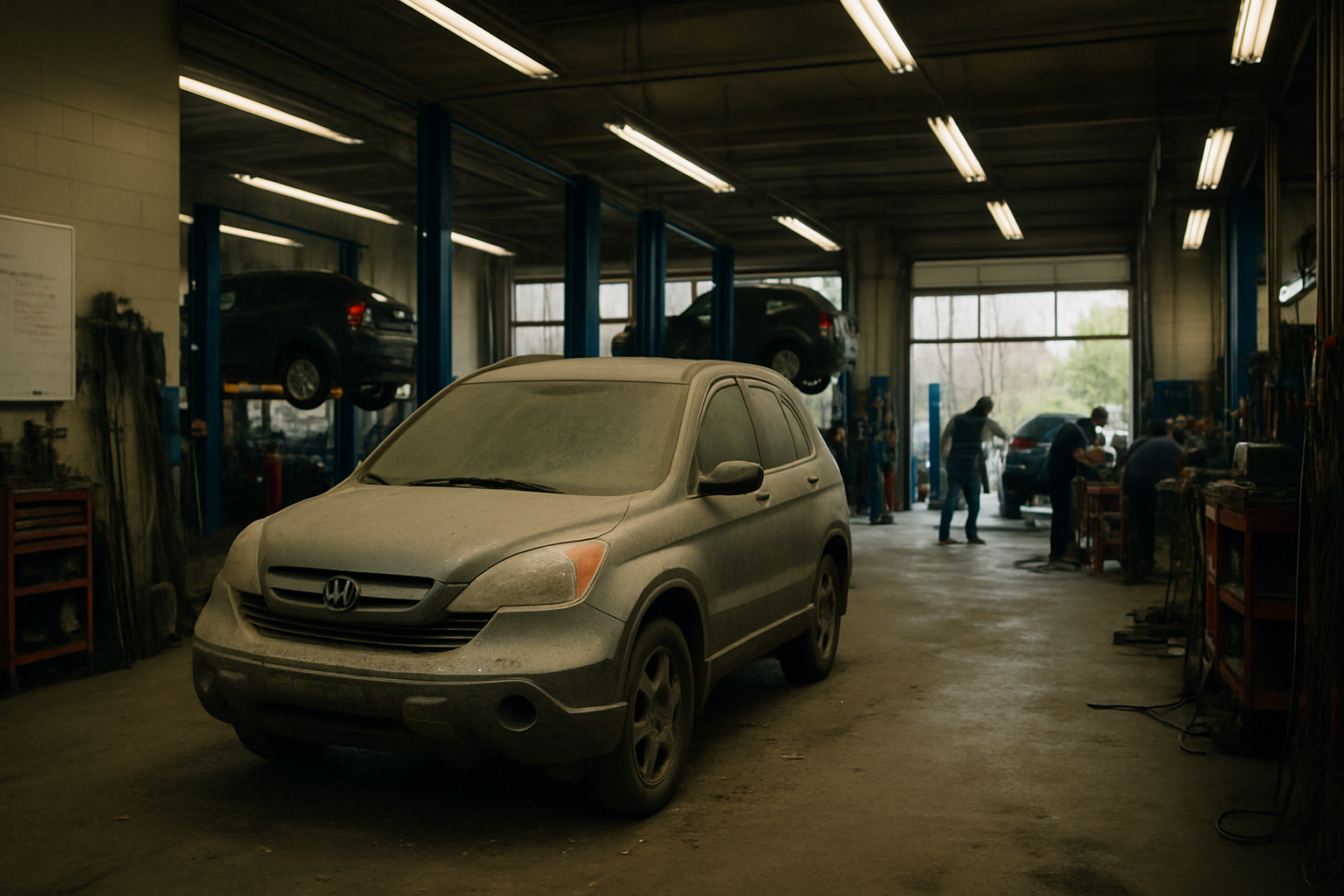
Dave Marchand was counting his losses again. His shop in Calgary had just turned away another customer needing brake work — the fifth one that Tuesday morning in March. "Come back in three weeks," he told the frustrated driver of a 2018 F-150. That was $800 in brake work walking out the door, and Dave knew it was heading straight to the shop down the street.
By the end of that brutal spring season, Dave calculated he'd lost over $15,000 in brake revenue simply because he couldn't fit customers in. The kicker? His parts supplier had the brake pads and rotors sitting in their warehouse the whole time, but Dave hadn't ordered enough inventory before the rush hit.
"I knew spring was busy for brake work," Dave told me over coffee last fall, "but I had no idea how much money I was bleeding by not being ready for it."
The Numbers Don't Lie: Canada's Spring Brake Explosion
Here's what most shop owners don't realize: the average Canadian auto shop handles 45% more brake jobs between March and May compared to December through February. That's not a small bump — that's nearly doubling your brake workload in just three months.
Sarah Chen runs a busy shop in Toronto's east end, and she started tracking her brake job numbers three years ago. "In February, we might do 12-15 brake jobs per week," she explained. "But come March? We're looking at 25-30 brake jobs weekly, sometimes more if we get an early melt."
The math is simple but brutal: if your average brake job brings in $450 (parts and labour), and you typically handle 15 brake jobs per week in winter, spring season can potentially generate an additional $6,750 per week. That's over $80,000 in extra revenue during the peak season — if you're prepared to handle it.
"Most shops think they're too small to worry about forecasting, but losing even 5 brake jobs per week during peak season costs you $2,250 in revenue. That adds up fast." — Sarah Chen, Toronto auto shop owner
Why Spring Breaks Canadian Brakes (And Bank Accounts)
The spring brake rush isn't random — it's the perfect storm of Canadian driving conditions. Marc Leblanc, who's run shops in Montreal for 15 years, explained the pattern: "Winter beats the hell out of brake systems here. You've got salt, sand, freeze-thaw cycles, and people riding their brakes on icy roads. Come March, when customers start thinking about provincial safety inspections and summer road trips, all that deferred brake maintenance hits at once."
The timing is predictable but varies by province. In Ontario, where safety inspections are only required for used car sales, the rush starts when people begin car shopping in March. In Quebec and BC, with periodic inspection requirements, the pattern follows renewal schedules and spring preparation cycles.
Temperature plays a huge role too. When the first warm week hits — usually mid to late March — brake problems that were masked by cold weather suddenly become obvious to drivers. That grinding noise that was barely noticeable at -20°C becomes impossible to ignore when it's +5°C.
The Inventory Mistakes That Cost Shops Thousands
Walk into most Canadian shops in early March, and you'll find the same problem: bare brake parts shelves when they should be overflowing. The biggest mistake? Ordering brake inventory like it's any other time of year.
Here's what smart shop owners figured out: you need to stock 3x your normal brake pad inventory by February 15th. Not just popular sizes — everything. "I used to order conservatively," said Janet Rodriguez, who runs two shops in Vancouver. "Now I calculate my worst-case March scenario and stock for that, plus 20%."
The High-Stakes Brake Inventory Game
Janet shared her inventory strategy that transformed her spring seasons:
- Brake Pads: Stock ceramic, semi-metallic, and organic compounds for top 20 vehicle models in your area. In Canada, that means heavy focus on F-150, RAM, Toyota Camry, Honda Civic, and Subaru Outback pads.
- Rotors: Don't just stock standard rotors — have drilled/slotted options ready. Spring customers often want upgrades, and these carry 40% higher margins.
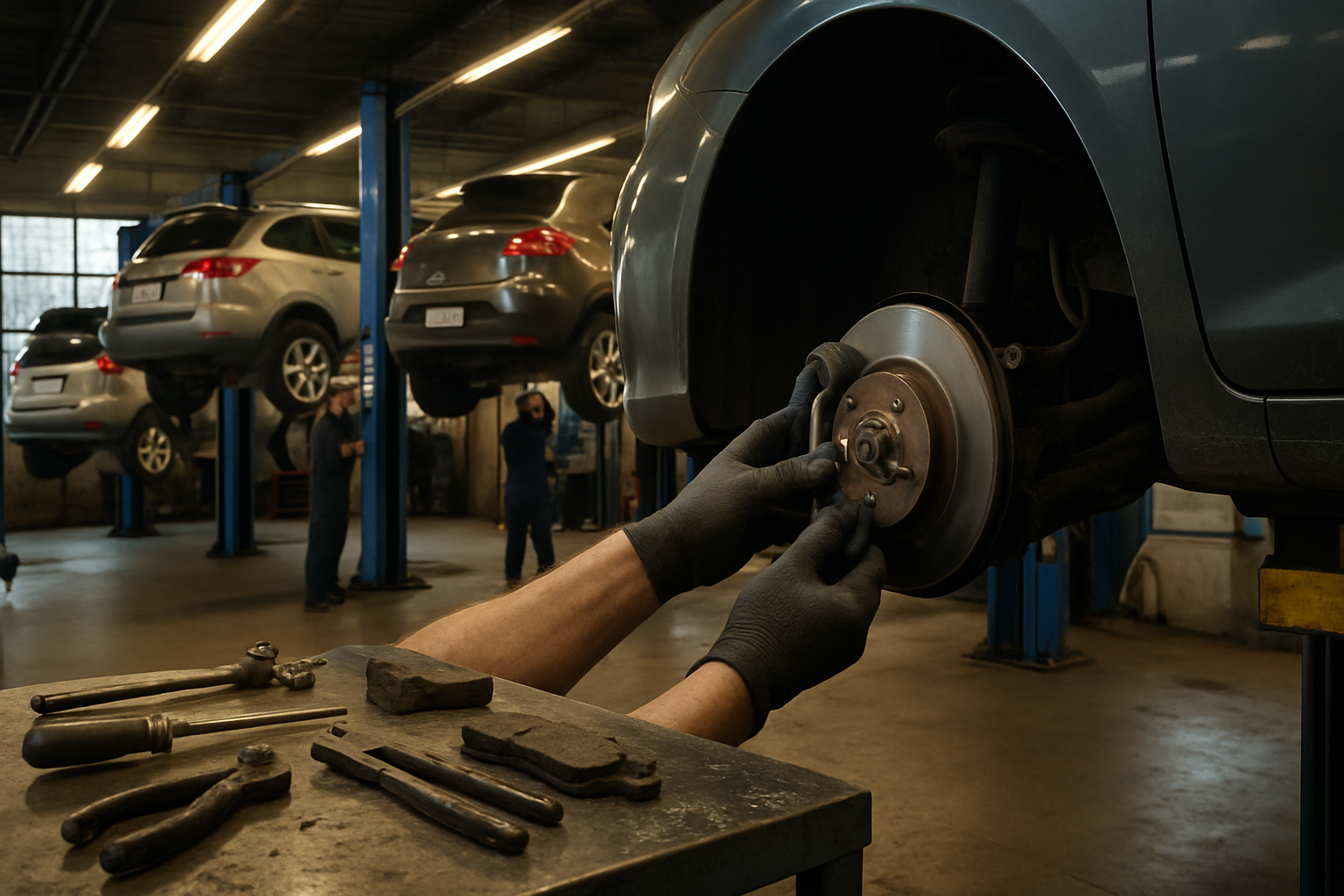
- Calipers: Here's where shops lose big money. Rebuilt calipers take 2-3 days to source in March. Stock common sizes for 7-10 year old trucks — that's where the money is.
- Hardware Kits: The little stuff that kills brake jobs. Shims, clips, springs, bolts. Order 5x normal quantities.
The numbers speak for themselves: Janet's brake parts investment jumps from $8,000 in February to $24,000 by March 1st. "Sounds scary until you realize I'll move $95,000 in brake work by end of May. The inventory investment pays for itself in the first two weeks."
Scheduling Strategies That Prevent Three-Week Waits
The scheduling nightmare is real. Customer calls on Monday, you can't fit them in until the following Tuesday, they hang up and call your competitor. You just lost $600 in brake work, and your competitor gained a potential long-term customer.
Tom Walsh in Calgary cracked this code by completely rethinking his approach to brake jobs. Instead of treating every brake service the same, he segments them into categories:
| Brake Job Type | Time Required | Scheduling Priority | Average Revenue |
|---|---|---|---|
| Pad replacement only | 1.5 hours | Fill-in work | $280 |
| Pads + rotors | 2.5 hours | Standard booking | $520 |
| Full brake service | 4+ hours | Premium slots | $800+ |
| Performance upgrades | 3-5 hours | Weekend premium | $1,200+ |
"The game-changer was realizing that simple pad swaps can fill gaps between bigger jobs," Tom explained. "Customer calls Monday morning needing pads? I can squeeze that into Wednesday afternoon between a transmission service and an alignment. Keeps them happy, keeps my bays busy."
The Three-Tier Scheduling System
Tom's scheduling approach breaks down like this:
- Express Brake Lane (30% of capacity): Pad-only jobs, brake inspections, quick fixes. These fill scheduling gaps and keep cash flow steady.
- Standard Brake Services (50% of capacity): Typical pad and rotor replacements. Book these 3-5 days out during peak season.
- Premium Brake Services (20% of capacity): Complex jobs, performance upgrades, fleet work. Book these 1-2 weeks out at premium rates.
"Don't turn away quick brake jobs thinking they're not worth your time. Those $280 pad swaps add up, and they often turn into bigger jobs down the road." — Tom Walsh, Calgary shop owner
Pricing for Peak Season: When Shops Leave Money on the Table
Here's the uncomfortable truth: most Canadian shops undercharge for brake work during peak season. Supply and demand economics suggest prices should reflect availability, but many shop owners feel guilty charging more when customers are lined up.
Kevin Morrison runs a successful shop in Montreal, and he learned this lesson the hard way. "First few years, I kept my brake prices the same year-round. I was booked solid, turning people away, working my techs overtime, but my profit margins stayed flat. Made no sense."
Kevin now implements seasonal brake pricing that reflects demand:
- Off-peak (June-February): Standard rates
- Peak season (March-May): 15-20% premium on labour rates
- Emergency/same-day service: 25% premium during peak season
- Weekend brake work: 30% premium (only offered March-April)
"Customers understand seasonal pricing — they pay more for hotel rooms in summer, more for snow tires in October. Brake work is the same principle," Kevin said. "The customers who push back usually aren't the ones you want anyway."
The results? Kevin's brake revenue jumped 35% without increasing volume. More importantly, the higher margins let him invest in better equipment and pay his techs more during the busy season.
The Profitable vs. Problem Brake Jobs
Not all brake work is created equal, and during peak season, you need to be selective. Lisa Park learned this running her shop in Toronto's downtown core, where parking and space are premium.
"Used to say yes to every brake job that walked in," Lisa recalled. "Then I realized some brake jobs were keeping my bays tied up while more profitable work waited outside."
The Brake Jobs to Prioritize
High-Profit Winners:
- Performance brake upgrades (60%+ markup on parts)
- European luxury vehicles (higher labour rates, premium parts)
- Fleet accounts with multiple vehicles
- Brake jobs combined with other services (inspections, alignments)
The Time-Wasters to Avoid:
- Warranty brake work (low margins, potential complications)
- Rust-belt vehicles with seized components (unpredictable timing)
- DIY customers wanting to supply their own parts
- Price shoppers calling multiple shops for quotes
Lisa's rule during peak season: "If a brake job doesn't generate at least $65 per hour including parts margin, it goes to the bottom of the list. My bay time is worth too much in March and April."
Software Solutions: Pre-Booking Your Spring Success
The shops winning the spring brake rush aren't just working harder — they're working smarter with technology. Management software has become the secret weapon for capturing seasonal brake customers before competitors even know they exist.
Robert Kim's shop in Calgary started using predictive booking two years ago, and the results changed everything. "Software tracks when customers had their last brake service, their typical driving patterns, even their vehicle's brake pad life expectancy. We can reach out 4-6 weeks before they need service."
The process works like this: in January, Robert's system identifies customers likely to need brake work by April. His team calls these customers in February, offering preferred spring booking slots at standard pricing. "We book 60% of our March-April brake capacity in February, before the rush starts."
The Pre-Season Brake Campaign That Works
Robert's February outreach follows a proven script:
"Hi Mrs. Johnson, this is Robert from downtown Auto Care. Your 2019 Accord is due for brake inspection based on your service history. We're booking spring brake appointments now before the busy season. Would you prefer the week of March 15th or March 22nd?"
The key insights from his software approach:
- Call customers, don't just email — conversion rates are 4x higher
- Offer specific dates, not vague "spring scheduling"
- Mention their vehicle specifically — shows you remember them
- Book 4-6 weeks ahead when you have leverage, not when you're desperate
This strategy fills Robert's spring calendar while competitors are still wondering where all the brake customers went.
The Real Cost of Poor Spring Planning
Let's put real numbers on what poor spring brake planning costs Canadian shops. Based on data from shops across the country, here's the typical loss breakdown for unprepared shops:
| Lost Revenue Source | Weekly Impact | 10-Week Spring Season |
|---|---|---|
| Turned-away brake jobs | $2,100 | $21,000 |
| Rush shipping premium parts | $400 | $4,000 |
| Overtime labour costs | $800 | $8,000 |
| Customer complaints/refunds | $200 | $2,000 |
| Total Weekly Loss | $3,500 | $35,000 |
For a shop doing $500,000 annually, that's 7% of yearly revenue lost in just 10 weeks. The preparation investment to prevent these losses? Usually under $15,000 in additional inventory and software costs.
Your February Action Plan (Before It's Too Late)
If you're reading this and haven't prepared for spring brake season, here's your emergency action plan:
This Week:
- Calculate your brake job volume from last March-May
- Order brake inventory for 150% of that volume
- Review your current brake pricing — add 15% premium for March onwards
Next Two Weeks:
- Contact your top 100 customers who might need brake work
- Pre-book 50% of your March brake capacity
- Set up express brake service slots for quick jobs
Before March 1st:
- Train staff on brake job prioritization
- Implement seasonal pricing structure
- Create capacity for premium brake services
Dave Marchand, the Calgary shop owner who started this story, implemented these strategies after his $15,000 wake-up call. This past spring? "We captured an extra $28,000 in brake revenue compared to the previous year. Same shop, same staff, just better planning."
The spring brake rush is coming whether you're ready or not. The question is: will you be the shop that capitalizes on Canada's most profitable automotive season, or the one watching customers drive to better-prepared competitors?
The time to prepare was January. The time to act is now.