English
 Español
 Deutsch
 FI
FI
 PT
PT
 BR
BR
 FR
FR
 AR
AR
 ZH
ZH
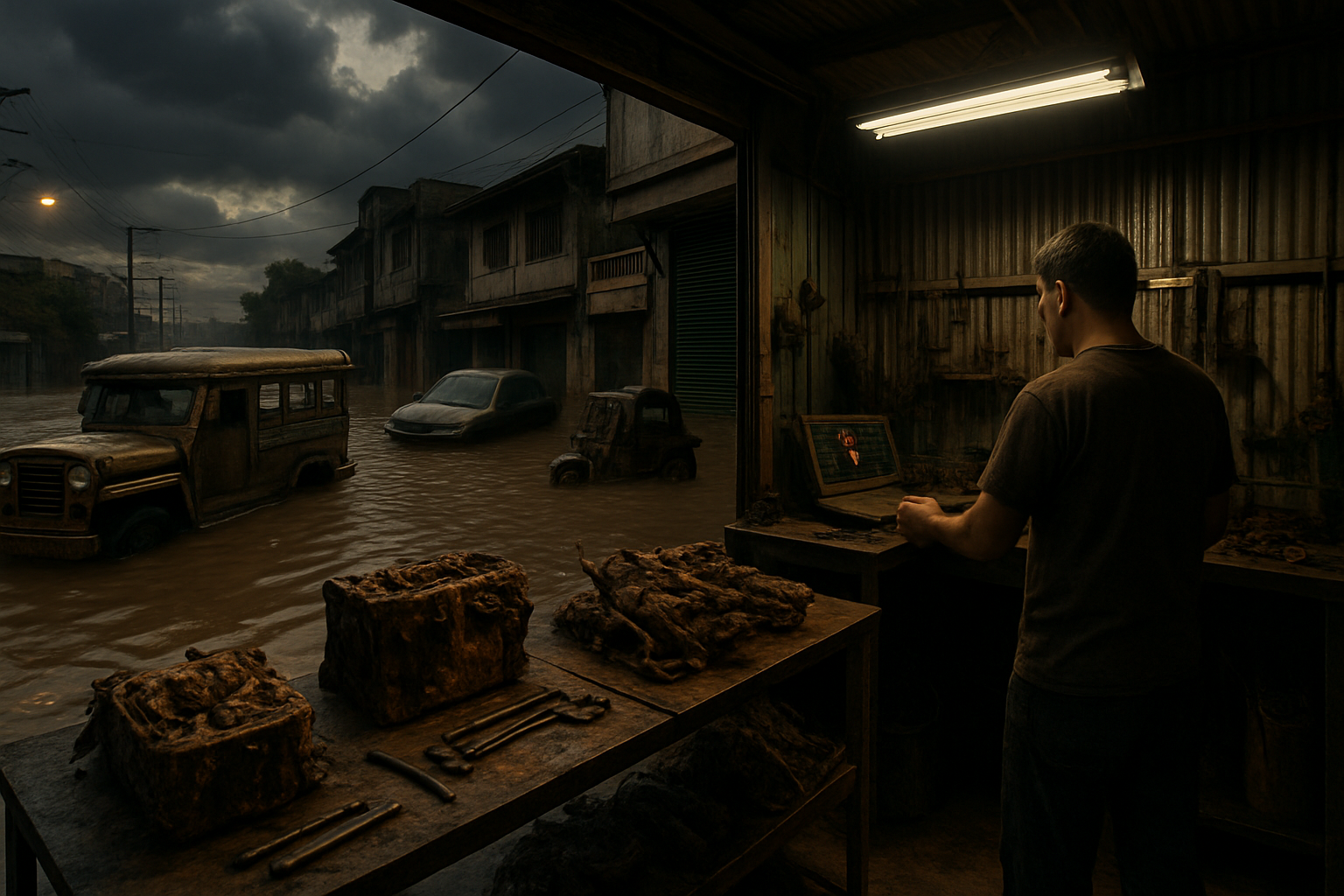
It happens every year. A typhoon makes landfall — Visayas, Bicol, Metro Manila. Streets flood waist-deep. Cars that could not be moved in time sit in brown water for hours, sometimes days. When the water recedes, thousands of vehicles are damaged.
And then the phone calls start: "Boss, yung sasakyan ko nalubog sa baha. Gumagana pa kaya?"
Typhoon season (June–November) is devastating for car owners but transformative for prepared workshops. The talyers that know how to handle flood-damaged vehicles can make ₱1–3 million during peak typhoon months.
What Flood Water Does to Cars
Filipino floods are not clean rainwater. They carry sewage, mud, chemicals, and debris. When this water enters a car:
- Engine hydrolocking: Water enters through the air intake (especially for cars with low air boxes like the Toyota Vios). The engine tries to compress water and bends connecting rods. Cost: ₱50,000–150,000 for engine rebuild or ₱30,000–80,000 for a used replacement engine.
- ECU and electrical damage: The ECU (computer brain) is usually under the dashboard or behind the glove box. If water reaches it, the car becomes unpredictable — random stalling, no-start, warning lights. ECU repair: ₱15,000–40,000. Replacement: ₱30,000–80,000.
- Transmission contamination: Water mixes with transmission fluid. If not flushed within 48 hours, internal damage begins. Flush: ₱5,000–8,000. If too late: ₱40,000–100,000 for rebuild.
- Interior mould: Wet carpets, seats, and insulation grow mould within 3 days in Philippine humidity. The car smells horrible and becomes a health hazard. Full interior cleaning and treatment: ₱10,000–25,000.
- Brake contamination: Dirty water in brake drums and between pads/rotors. Brakes grind and lose effectiveness. Cleaning and inspection: ₱3,000–8,000.
The 48-Hour Rule
This is the most important thing every workshop should tell flood-affected customers: you have 48 hours to act. After 48 hours:
- Transmission fluid contamination causes internal wear
- Electrical connectors begin corroding
- Mould starts growing in the interior
- Rust accelerates on exposed metal
The workshops that advertise "48-HOUR FLOOD RESPONSE" and actually deliver on it capture the most profitable flood work — the early intervention that saves engines and transmissions instead of replacing them.
Your Typhoon Season Preparation Kit
By May (before typhoon season starts), stock up:
- Air filters: 50+ for Vios, Innova, Fortuner, Wigo, City. ₱25,000 investment.
- Electrical contact cleaner: 20 cans. ₱6,000.
- Transmission fluid: 20 litres ATF. ₱8,000.
- Engine oil: Extra stock — every flooded car needs an oil change. ₱15,000.
- Dehumidifiers or industrial fans: For drying interiors. ₱5,000–10,000.
- Anti-mould treatment spray: ₱3,000.
Total investment: ₱62,000–67,000. One seriously flooded Fortuner pays for all of it.
The Flood Recovery Service Menu
- Post-Flood Assessment: ₱2,000 — full inspection, written report of what is damaged
- Basic Flood Recovery: ₱15,000–25,000 — oil change, air filter, dry electrics, brake clean, underbody flush
- Full Flood Recovery: ₱40,000–80,000 — everything above plus transmission flush, interior deep clean, ECU inspection
- Engine Recovery: ₱50,000–150,000 — hydrolocked engine repair or replacement
Insurance Documentation
Many flood-damaged cars are covered by comprehensive insurance. The owner needs documentation: photos of damage, detailed repair invoice, parts list. A professional, itemised invoice from your talyer helps the owner claim from insurance — and they are grateful enough to become a lifetime customer.
Mekavo generates professional invoices in Pesos with full itemisation. Attach photos of the damage to the job record. When the insurance company asks for documentation — everything is ready. Free for Filipino workshops.
Typhoon season is coming. The question is not whether cars will be damaged — they will. The question is whether those car owners call your talyer or someone else's.