English
 Español
 Deutsch
 FI
FI
 FR
FR
 AR
AR
 ZH
ZH
The £15,000 March Morning That Changed Everything
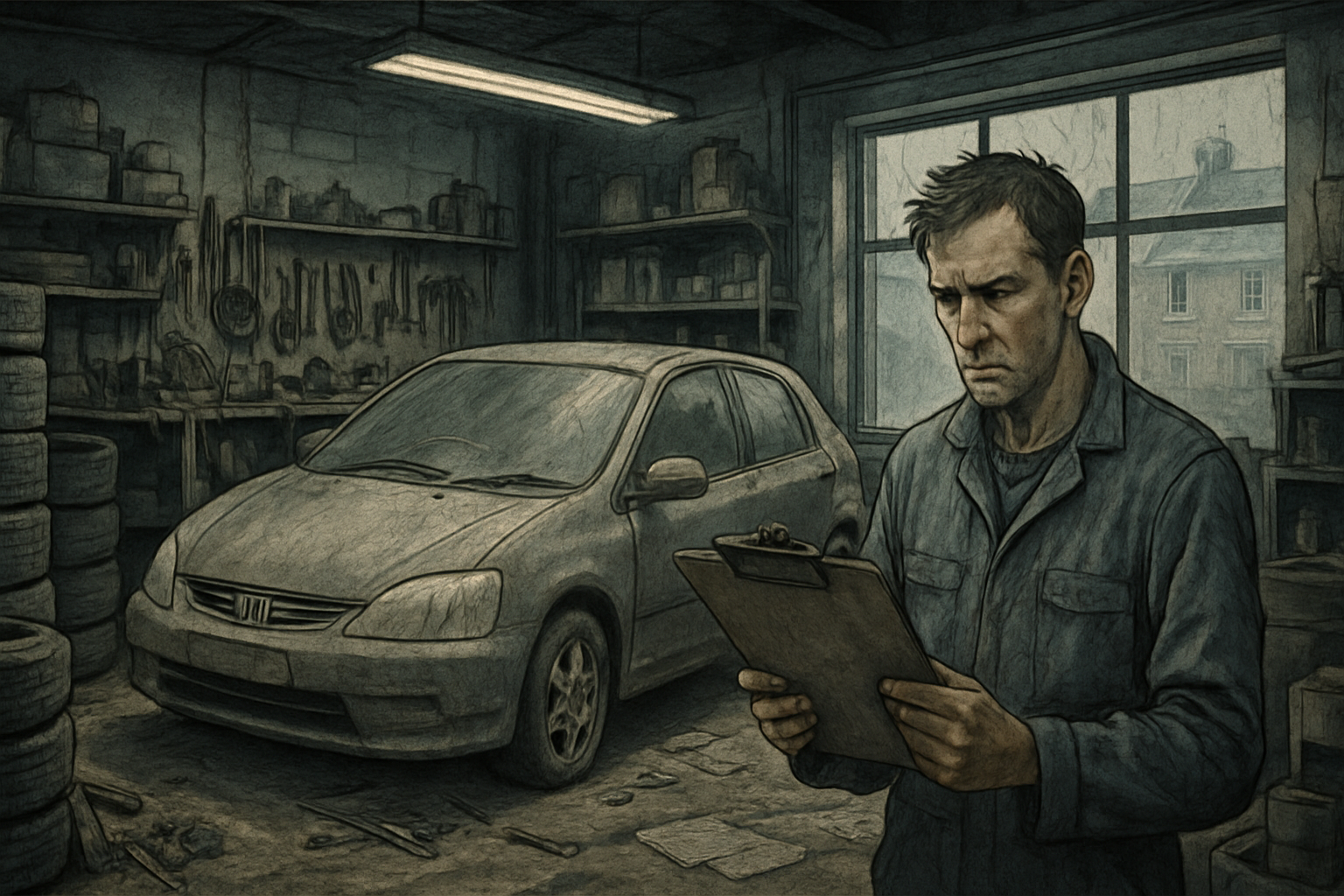
Dave Mitchell was having his usual Tuesday morning coffee at his workshop in Leicester when three customers walked in within an hour—all with the same problem. Dead batteries. "Two Golf diesels and a Corsa, all between four and six years old," he recalls. "The owners were gobsmacked. 'But it was fine yesterday!' they kept saying."
That's when Dave realised he'd been leaving money on the table for years. Those three emergency callouts brought in £450 that morning, but if he'd caught those failing batteries during routine services, he could have scheduled the work properly and avoided the drama. More importantly, he started thinking about all the other maintenance items customers simply forget about—until they fail.
"I went through our customer database that week," Dave explains. "Nearly 80% of our regular customers were overdue for brake fluid changes, and half hadn't had their coolant touched in over five years. These aren't complicated services, but customers just don't think about them."
The Invisible Maintenance Gold Mine
Independent garages across the UK are sitting on a goldmine of forgotten maintenance services. While customers religiously book their MOTs and remember when their tyres look worn, there's a whole category of essential services that slip through the cracks:
- Brake fluid replacement - Most manufacturers recommend every 2-3 years, but customers rarely think about it
- Battery testing and replacement - Particularly crucial before summer heat stress
- Coolant system flushes - Often skipped because "it never caused problems before"
- Cabin air filter replacement - Gets worse with spring pollen season
- Transmission fluid checks - The silent killer of automatic gearboxes
Sarah Chen, who runs a family garage in Bristol, started tracking these services last year. "We identified that 70% of our customers needed at least two of these services," she says. "The average additional revenue per car was £420, and some customers needed everything—that's pushing £800 in extra work per vehicle."
Why March Is Your Golden Window
March presents the perfect storm for upselling forgotten maintenance. Customers are already in your workshop for several reasons:
"March is brilliant because people are already thinking about their cars," explains Tom Harrison from a busy garage in Birmingham. "They're getting their brakes checked for the MOT rush, maybe changing tyres, and they're mentally prepared to spend money on their vehicle."
The seasonal timing works in your favour too. Winter has been tough on batteries, brake fluid has been collecting moisture all winter, and spring pollen is about to assault every cabin filter in the country. Customers understand the connection when you explain it properly.
The March Customer Mindset
During March, customers are in a maintenance mindset rather than a panic mindset. They're not rushing to fix something that's already broken—they're being proactive. This makes them much more receptive to additional services, especially when presented correctly.
Brake Fluid: The Silent Safety Issue Everyone Ignores
Marco Ricci learned about brake fluid the hard way. His workshop in Manchester had a customer complain about "spongy brakes" on a three-year-old Transit van. "I tested the fluid and it was absolutely contaminated—full of moisture and debris," he recalls. "The customer had no idea brake fluid even needed changing."
Here's what most customers don't understand about brake fluid:
- It's hygroscopic—it absorbs moisture from the air
- Contaminated fluid causes corrosion in brake lines and components
- Old fluid boils at lower temperatures, causing brake fade
- Most manufacturers recommend replacement every 2-3 years
How to Spot Contaminated Brake Fluid
Training your team to identify old brake fluid is crucial. Fresh DOT 4 fluid is typically clear or light amber. Contaminated fluid becomes dark brown or even black, and may contain visible particles. A simple brake fluid tester costs under £50 and gives you definitive moisture content readings.
"We show customers the old fluid next to fresh fluid," says Sarah from Bristol. "The visual difference is shocking—they can't believe they've been driving with that black sludge in their brake system."
Battery Testing: Preventing the Summer Slaughter
Most garages think of batteries as a winter problem, but summer heat is actually harder on battery life than cold weather. Dave Mitchell now tests every battery that comes through his workshop in March.
"A battery that struggled through winter but still starts the car is living on borrowed time," he explains. "Come July when it's 30°C under the bonnet, that same battery will leave someone stranded in a Tesco car park."
The Battery Testing Process
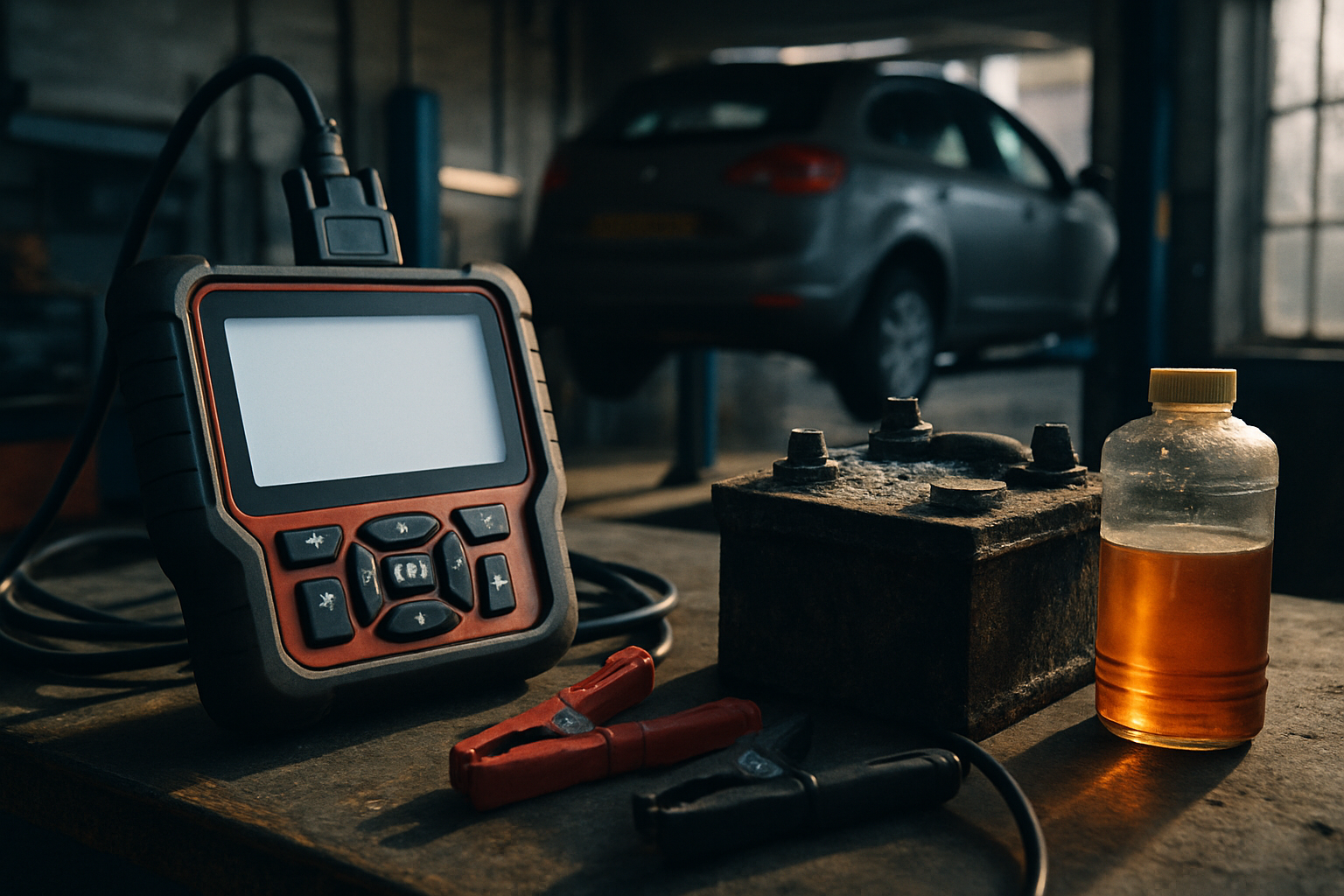
Modern battery testers can check not just voltage but also cold cranking amps and internal resistance. This gives you concrete data to show customers, not just a gut feeling. A battery showing 70% capacity might start the car today but won't survive summer heat stress.
| Battery Age | Winter Performance | Summer Risk | Recommendation |
|---|---|---|---|
| 3-4 years | Still reliable | Medium | Test and monitor |
| 4-5 years | Occasional slow starts | High | Replace proactively |
| 5+ years | Struggling | Very High | Replace immediately |
The Art of the Soft Sell: Education Over Pressure
The key to successful upselling is education, not pressure. Customers can smell a hard sell from miles away, but they appreciate genuine concern for their safety and wallet.
Emma Rodriguez, who manages a workshop in Leeds, has developed a system that feels natural: "We never start with the sales pitch. We always start with education. 'Did you know your brake fluid absorbs moisture over time? Let me show you what yours looks like compared to fresh fluid.'"
Script Examples That Actually Work
Here are proven conversation starters that feel helpful rather than pushy:
"While I've got your car up on the lift for the MOT, would you like me to check your brake fluid? It's one of those things that's easy to forget about, but it's quite important for safety."
"Your battery's been working hard this winter. Summer heat is actually harder on batteries than cold weather—would you like me to test it while you're here?"
"With spring here, pollen's going to be everywhere soon. When did you last change your cabin filter? I can check it quickly—it only takes a minute."
Workshop Software: Your Automated Reminder System
Modern garage management software can track service intervals automatically, but most workshops aren't using this feature properly. The software should flag when a customer is overdue for these forgotten services.
"Our system now shows us every service interval for every customer," explains Tom from Birmingham. "When someone books an MOT, I can see immediately if they're due for brake fluid, coolant flush, or any other service. It takes the guesswork out of it."
Setting Up Automated Alerts
Configure your software to track these often-forgotten intervals:
- Brake fluid: Every 24-36 months
- Coolant: Every 48-60 months (or per manufacturer spec)
- Cabin air filter: Every 12 months or 10,000 miles
- Battery: Test annually after 3 years old
- Transmission fluid: Varies widely by vehicle
The software should generate alerts when customers book appointments, allowing your service advisors to prepare recommendations in advance.
Pricing for Profit: The £400-800 Sweet Spot
Pricing these services correctly is crucial. They need to be profitable but not so expensive that customers walk away. Most successful workshops aim for £400-800 in additional services per customer.
| Service | Labour Time | Parts Cost | Selling Price | Profit Margin |
|---|---|---|---|---|
| Brake fluid change | 30 minutes | £15 | £65 | 77% |
| Battery replacement | 15 minutes | £85 | £145 | 41% |
| Coolant flush | 45 minutes | £25 | £95 | 74% |
| Cabin filter | 10 minutes | £18 | £45 | 60% |
| Basic transmission service | 30 minutes | £35 | £85 | 59% |
"We bundle services when it makes sense," says Sarah from Bristol. "Brake fluid and coolant flush together is £145 instead of £160 separately. Customers like the discount, and we still maintain good margins."
Training Your Team to Spot Opportunities
Your technicians are your frontline for identifying these opportunities, but they need training to spot the signs and communicate effectively with customers.
What to Look For
Train your team to automatically check these items during routine services:
- Brake fluid colour and clarity - Should be light amber, not dark brown
- Battery terminals - Corrosion indicates moisture problems
- Coolant condition - Should be clear, not rusty or cloudy
- Cabin filter access - Easy to check on most vehicles
- Transmission fluid level and colour - When accessible
"I tell my lads to think like they're inspecting their own mum's car," says Dave from Leicester. "What would worry you if it was your family driving this vehicle?"
The Customer Communication Challenge
The biggest challenge isn't identifying these services—it's communicating their importance to customers without sounding like you're trying to fleece them. The solution is transparency and education.
Emma from Leeds uses a simple approach: "We show customers what we find. Photos of their contaminated brake fluid next to fresh fluid. Their clogged cabin filter next to a new one. When they can see the difference, they understand why it matters."
Building Trust Through Transparency
Consider these trust-building approaches:
- Take photos of issues you find and show them to customers
- Explain the consequences of neglecting these services
- Offer different service options (good, better, best)
- Provide written estimates before performing any work
- Follow up to ensure customer satisfaction
The March Success Stories
Garages that have implemented these strategies are seeing real results. Marco in Manchester increased his average transaction value by 18% in March alone. "We went from averaging £240 per customer to £285," he says. "That's an extra £45 per car just by being more thorough about maintenance intervals."
Sarah's Bristol garage saw even better results: "March was our best month ever for upselling. We averaged £420 in additional services per customer, and our customer satisfaction scores actually went up. People appreciate that we're looking out for them."
The Long-Term Benefits
These services don't just boost March revenues—they build long-term customer relationships. Customers whose brake fluid you change in March won't have brake problems in July. Those whose batteries you replace proactively won't call you from a broken-down car in August.
"It's about being proactive instead of reactive," explains Tom from Birmingham. "Our customers trust us more because we catch problems before they become expensive failures."
Implementation: Your March Action Plan
Here's how to implement this strategy in your workshop:
- Audit your customer database - Identify customers overdue for these services
- Train your team - Teach them what to look for and how to communicate findings
- Update your software - Set up automatic alerts for service intervals
- Develop pricing - Structure profitable but fair pricing for bundled services
- Create materials - Before/after photos, simple explanations of why these services matter
- Start conversations - Begin educating customers about these forgotten maintenance items
The key is starting now. March customers are already thinking about their vehicles, making them receptive to additional maintenance. Miss this window, and you'll wait until next winter for customers to be in the same maintenance mindset.
"The money was always there," reflects Dave from Leicester. "We just weren't asking the right questions or looking in the right places. Now these forgotten services are a major part of our business."
The opportunities are there in every workshop. The question is whether you'll recognise them and act on them, or let another March slip by with customers driving away having spent £150 instead of £500. The choice is yours.