The CFA 100K Recharge That Costs You Everything
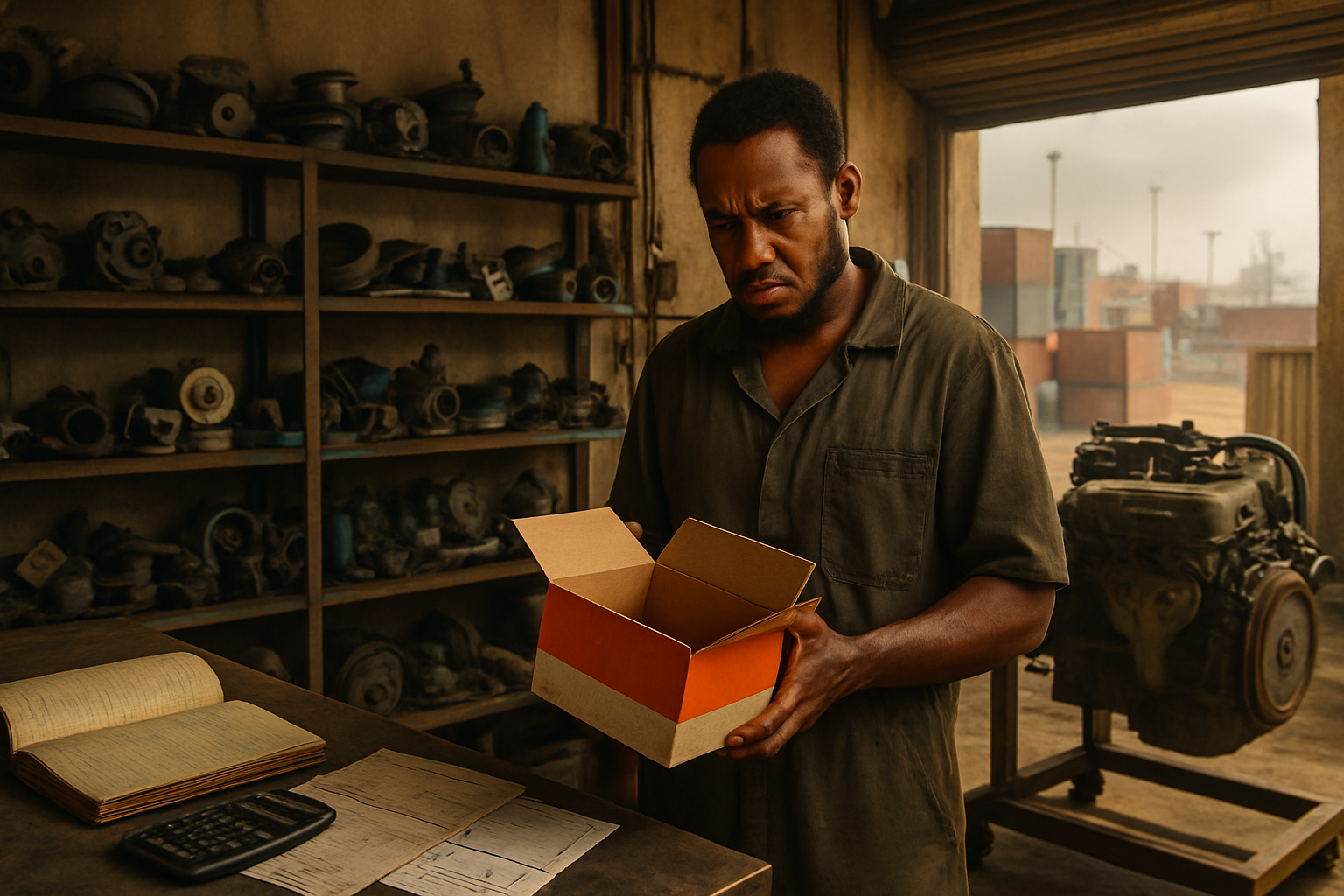
Jean-Paul runs a busy shop in Douala's Bassa district. Last March, when the heat started hitting 35°C daily, he was seeing three A/C complaints per day. His standard approach? Check the pressure, top up the refrigerant for CFA 100,000, send the customer home happy.
Two weeks later, same customers were back—angry. The A/C failed again. This time, they went to the Toyota dealer in Akwa. Jean-Paul lost not just the repeat business, but the trust. "I thought I was helping them save money," he told me over a Castel at his shop. "Turns out I was just postponing their real repair."
The math is brutal: during Cameroon's hot season (March through May, then September through November), A/C work can represent 40-60% of a shop's revenue. Get it wrong, and you're not just losing that repair—you're losing the customer entirely to someone who will diagnose correctly.
The Real Problem: Everyone's Guessing
Walk through any quartier in Yaoundé or Douala during hot season, and you'll hear the same story from mechanics. Customer complains A/C isn't cold. Mechanic checks pressure—it's low. Add refrigerant, charge CFA 100-150K, done.
But here's what's actually happening in most cases:
- Compressor clutch failure (very common in dusty Douala conditions)
- Condenser blockage (inevitable with our road dust and seasonal harmattan)
- Electrical issues (corroded connections from humidity)
- Actual refrigerant leak (maybe 30% of cases)
Mamadou in Yaoundé's Mvog-Mbi quarter learned this the expensive way. "I was refilling R-134a three times for the same Camry. Finally took it apart—compressor was completely seized. Customer paid CFA 300K total for useless recharges, then CFA 800K for the real repair. Could have saved everyone time and built trust with proper diagnosis first time."
How to Actually Diagnose A/C Problems (Without Guessing)
Here's the systematic approach that smart Cameroon mechanics use—it takes 20 minutes but saves weeks of callbacks:
Step 1: Visual and Sound Check
Before you touch any gauges, look and listen:
- Engine running, A/C on max—is the compressor clutch engaging? (You'll hear the click and see the pulley center spinning)
- Check condenser in front of radiator—blocked with dust, plastic bags, leaves?
- Look for obvious refrigerant stains (oily residue with dust stuck to it)
- Feel the high-pressure line—should be warm, low-pressure should be cool
"Most problems show themselves before you even connect gauges. In Douala's dusty conditions, I'd say 40% of A/C issues are just blocked condensers." — Ibrahim, Bonabéri mechanic with 15 years experience
Step 2: Pressure Testing (The Right Way)
Connect your manifold gauges, but interpret the readings correctly:
| Low Side | High Side | Likely Problem |
|---|---|---|
| Low (below 30 psi) | Low (below 150 psi) | Refrigerant leak or low charge |
| High (above 50 psi) | Low (below 150 psi) | Compressor not pumping |
| Normal (30-45 psi) | High (above 300 psi) | Condenser blockage or fan issue |
| High (above 50 psi) | High (above 300 psi) | Overcharged or air in system |
Step 3: Electrical Verification
This is where most Cameroon shops fail. Check:
- Compressor clutch getting 12V when A/C is on?
- Pressure switches working? (disconnect and jump—compressor should engage)
- Cooling fans running when A/C is on?
Many times in our humid climate, it's just corroded connections. CFA 5,000 in cleaning and reconnecting beats CFA 100,000 in unnecessary refrigerant.
The Seasonal Prep That Separates Profitable Shops
Smart mechanics in Cameroon don't wait for A/C season—they prepare. Here's what works:
Stock the Right Refrigerant
Most vehicles in Cameroon use R-134a, but know your market:
- Older Peugeots, Citroëns: Many still use R-12 (expensive, requires conversion)
- Newer Europeans (2017+): R-1234yf (very expensive, but high margins)
- Most Japanese/Korean cars: R-134a (your bread and butter)
Buy bulk R-134a containers in February—prices jump 30-40% once hot season hits.
Know Your Compressor Sources
When you properly diagnose a failed compressor, you need options fast:
- Toyota/Lexus: Cfao has OEM, but aftermarket from Dubai works fine
- Peugeot/Citroën: Get contacts in Cotonou—much cheaper than Douala dealers
- Hyundai/Kia: Turkish aftermarket compressors, available in Marché Central
The key is having reliable suppliers before you need them. Customer waiting three weeks for a compressor will never return.
Pricing Strategy: Beat Dealers Without Racing to Bottom
This is where proper diagnosis pays off. When you can confidently tell a customer exactly what's wrong and why, you justify better prices:
"I don't compete on price anymore. I compete on getting it right the first time. Customer pays CFA 150K for diagnostic and repair, but they know it's fixed. Dealer charges CFA 300K, street mechanic charges CFA 50K but you're back next month." — Achille, Yaoundé (Elig-Essono)
Here's a realistic pricing structure for proper A/C work:
- Diagnostic fee: CFA 15-25K (refundable if they proceed with repair)
- Refrigerant recharge (confirmed leak): CFA 120-150K
- Compressor replacement: CFA 600K-1.2M (depending on vehicle)
- Condenser cleaning/replacement: CFA 80-200K
The diagnostic fee is crucial—it makes customers take the diagnosis seriously and pays for your time whether they proceed or not.
The Trust Factor: Why Callbacks Kill Your Business
In markets like Marché Central or Carrefour Trois-Arcs, word travels fast. One botched A/C repair becomes five lost customers.
Consider this scenario: Customer brings Corolla with warm A/C. Pressure is low. You have two choices:
- Quick fix: Add refrigerant, charge CFA 100K, hope for best
- Proper diagnosis: Find the leak, show customer, explain repair cost
Option 1 might work if there's actually just a slow leak. But if it's a failed compressor (which causes low pressure), you've wasted the customer's money and damaged your reputation.
Option 2 takes longer upfront, but builds trust. Even if customer can't afford the full repair immediately, they know you're honest. They'll return when ready, and refer others.
Document Everything
Start keeping simple records of A/C work:
- Pressure readings before and after
- What you found (photos help)
- Parts replaced
- Customer's contact for follow-up
This helps you track patterns (certain models prone to specific failures) and gives customers confidence you're professional.
Common Mistakes That Cost You CFA Millions
The "Top-Up and Pray" Approach
Biggest mistake: seeing low pressure and immediately adding refrigerant without finding why it's low.
Result: Customer pays for refrigerant that will leak out again, comes back angry, goes elsewhere for real repair.
Overcharging the System
Some mechanics think "more is better" with refrigerant. Wrong. Overcharged systems run poorly and can damage compressors.
Always weigh the refrigerant or use proper charging procedures. Most cars take 400-800g total—not much.
Ignoring Electrical Issues
In Cameroon's climate, electrical connections corrode quickly. A CFA 5,000 cleaning job becomes a CFA 800K compressor replacement if ignored.
Always check electrical before assuming mechanical failure.
Building Your A/C Reputation: The Long Game
Successful A/C work in Cameroon isn't about being the cheapest—it's about being the most reliable. Here's how shops build that reputation:
Seasonal Customer Education
Before hot season hits, contact regular customers about A/C maintenance:
- Condenser cleaning
- Refrigerant pressure check
- Belt and connection inspection
Preventive work builds loyalty and prevents emergency failures during peak heat.
Warranty Your Work
Offer simple warranties on A/C work:
- 30 days on recharge (if it's actually just low refrigerant)
- 6 months on compressor replacement
- 90 days on electrical repairs
This shows confidence in your diagnosis and work quality.
The Bottom Line: Stop Guessing, Start Diagnosing
Every hot season, Cameroon mechanics see the same pattern: customers desperate for cold A/C, willing to pay for quick fixes. The temptation is to take the easy money—add refrigerant, hope it works, deal with problems later.
But shops that invest in proper diagnostic procedures, stock the right parts, and build trust through honest work capture the real money: repeat customers, referrals, and premium pricing for expert service.
The choice is simple: make CFA 100K today and lose the customer, or make CFA 150K today and keep them for life. Over a hot season, that difference adds up to millions.
"I stopped seeing A/C work as a seasonal headache and started seeing it as my biggest opportunity. Proper diagnosis turned my busiest, most stressful time into my most profitable." — Jean-Paul, Douala
The next customer who walks in with a warm A/C complaint is worth potentially CFA 1-2 million in lifetime value. Diagnose correctly, fix it right the first time, and build the reputation that brings customers back season after season.