English
 Español
 Deutsch
 FI
FI
 PT
PT
 BR
BR
 FR
FR
 AR
AR
 ZH
ZH
 UR
UR
 TL
TL
 TH
TH
 TR
TR
 PL
PL
 RO
RO
 BG
BG
 ID
ID
 MS
MS
 LT
LT
 IT
IT
 NL
NL
 CS
CS
 SK
SK
 SL
SL
 ET
ET
 SV
SV
 NB
NB
Your insurance renewal landed and the premium has doubled. You were paying £400, now you are quoted £820. Same car, same address, same clean licence. What happened?
You are not alone. UK car insurance went through one of the biggest cost shocks in recent memory in 2024-2025 — average premiums up 25-50% across the board, with some demographics seeing larger increases. Here is the honest picture of why, what is genuinely outside your control, and the four moves you can make right now to bring the number down.
Why Premiums Surged (Honest Reasons)
Several factors hit at once and stacked:
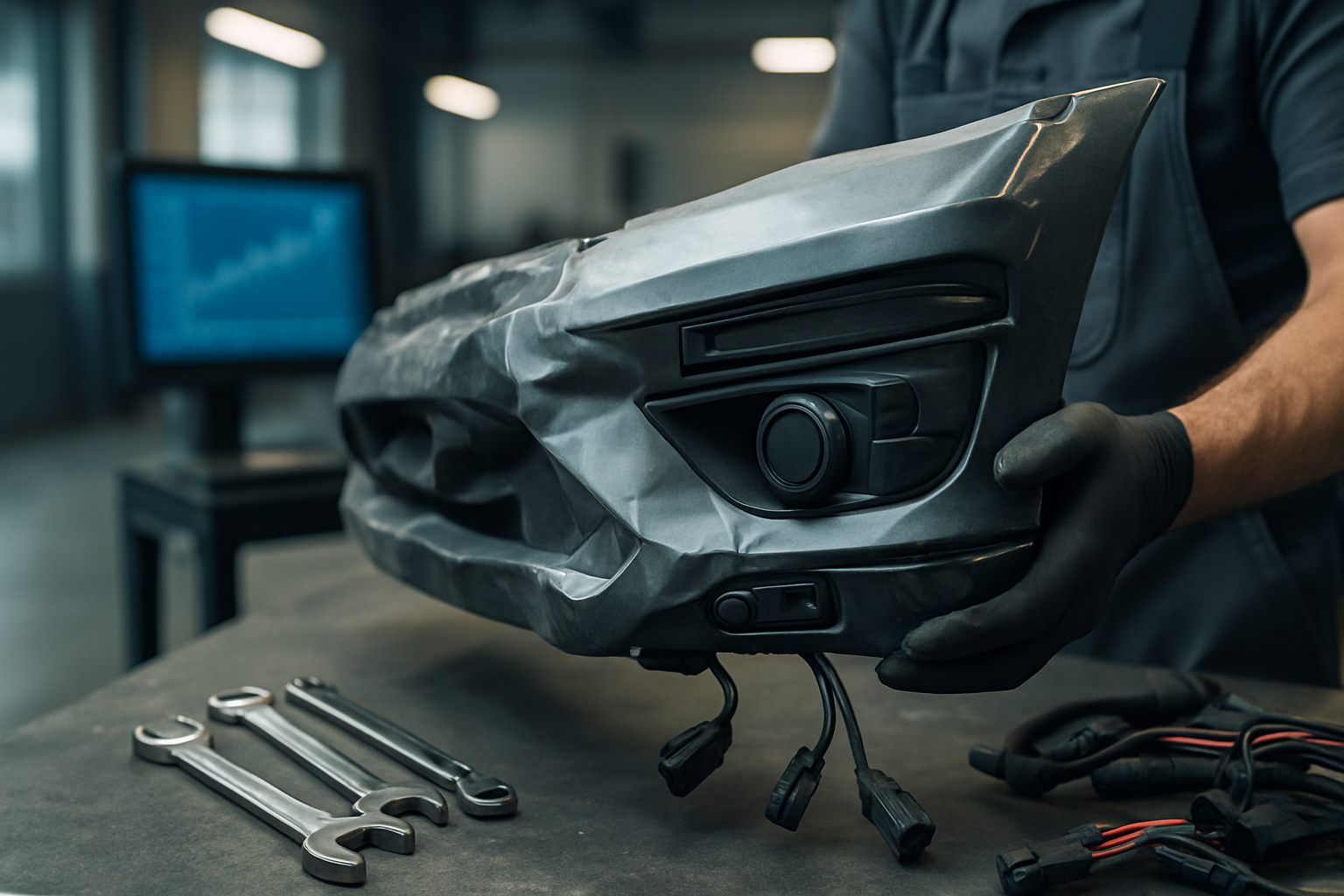
- Repair costs up 30%+ — modern cars carry sensors, cameras, ADAS calibration, EV battery shielding. A bumper that cost £400 to replace in 2019 might cost £1,400 in 2025 because it includes integrated radar.
- Parts inflation and supply chain delays — courtesy car costs (insurers pay for these while your car is in the shop) ballooned because repairs take longer.
- EV repair costs — battery damage from minor knocks can write a car off entirely. EVs cost insurers roughly 25-50% more to repair on average than equivalent ICE cars.
- Theft surge — keyless entry vulnerabilities, organised theft of high-value SUVs (Range Rovers, Lexus). Some London postcodes saw theft claims double.
- Personal injury claim costs — Whiplash Reform Act helped, but claims for serious injury rose with court awards.
- Reinsurance costs up — global reinsurance market hardened post-pandemic. Insurers passed cost through.
- FCA pricing reform (Jan 2022) — rules required equal pricing for new and existing customers. Long-loyal customers stopped being subsidised; their premiums normalised upward to match new-customer pricing.
None of these are conspiracies. They are real cost drivers. But they affect different drivers very differently — which is why some saw 15% increases and others saw 60%+.
What Is Outside Your Control
Some factors are essentially fixed and the insurer will price for them regardless:
- Your age (under 25 and over 70 always pay more, statistically reflecting claim risk)
- Your postcode (London, Birmingham, Manchester, Liverpool, Glasgow consistently highest)
- The car you drive (high-theft models cost more — some Range Rovers became almost uninsurable in 2023-2024)
- Your job title (some are statistically higher-risk; insurers vary on how much weight they give)
Trying to "fix" these usually does not work. Lying about them invalidates your policy.
The 4 Moves That Actually Work
1. Shop the renewal — every single year
The single biggest saving most UK drivers can make. Your existing insurer's renewal quote is rarely the cheapest available to you — even after FCA pricing reform.
- Run your details through 3-4 comparison sites: MoneySupermarket, Compare the Market, Confused.com, GoCompare. They share data with different insurer panels — running multiple gets you wider coverage.
- Get direct quotes from insurers not on comparison sites — Direct Line, NFU Mutual (members only), Aviva (sometimes cheaper direct), LV=, Admiral.
- Use Which?'s annual customer satisfaction rankings to weight cheap quotes — the cheapest insurer with terrible claims handling is a false economy.
Realistic saving: £100-£500 versus accepting renewal.
2. Tweak the policy details (not lie — adjust)
Small honest adjustments can shift premium materially:
- Voluntary excess — raising it from £100 to £250 typically saves £30-£90/year. Higher than £350 starts costing more if you claim.
- Annual mileage — be honest, but if you previously over-estimated, correct it. Going from 12,000 to 8,000 miles can save £40-£100.
- Where the car is parked overnight — drive parking, garage parking, or off-street saves vs on-street. Update if you have moved or your situation changed.
- Add a named experienced driver — adding a low-risk older driver to your policy (parent, partner) sometimes lowers premium, especially for younger drivers. Do NOT do "fronting" (putting the older driver as main when they are not — that is fraud and invalidates cover).
- Check job title — many job titles are equivalent but insurers price them differently. "Manager" and "Director" can produce different premiums for the same actual role. Use the most accurate description; if multiple are accurate, try each.
- Pay annually, not monthly — APR on monthly payments is often 10-30%. Annual saves £40-£200 typically.
3. Build no-claims discount and protect it
Each claim-free year typically reduces premium 10-15%, capped at around 5-9 years depending on insurer. Once you have 5+ years no-claims, "no-claims protection" (small annual cost, around £20-£40) means a single fault claim does not wipe it out.
- Worth taking when you have 4+ years no-claims
- Note: protection does not cap your overall premium — insurer can still raise the base rate at renewal — it just preserves the discount band.
- If you are renting / don't have a car for a year, keep your no-claims alive by buying an inexpensive temp policy or driving a friend's car as a named driver. Some insurers honour gaps, others don't.
4. Consider telematics ("black box") for younger or higher-risk drivers
If you are under 25, returning to driving after a gap, or have past convictions, a telematics policy can cut premium 20-50%.
- Insurers monitor speed, braking, cornering, mileage, time of day driven
- Drive sensibly (no late-night blasts, no harsh braking) and the discount stays
- Major providers: Admiral LittleBox, Marmalade, Hastings YouDrive, Carrot, by Miles (pay-per-mile)
- Useful even outside high-risk groups if you do low mileage
What NOT to Do
- Do not lie about modifications, claims history, or annual mileage. Insurers cross-reference databases. Caught lying = policy void = no payout if you crash, plus criminal record for fraud in serious cases.
- Do not let the policy lapse. Even one day uninsured is a £300 fine and 6 penalty points. Any insurer asking about gaps will charge you more for years.
- Do not auto-renew without checking — see point 1.
- Do not pay monthly without comparing — see point 2 above.
If Your Renewal Quote Feels Wrong
- Phone your existing insurer — they often have a "retentions" team with discretion to match competing quotes
- Have your 3 best comparison-site quotes ready when you call
- If they will not match, walk. Loyalty no longer pays in UK car insurance post-FCA reform.
The Underlying Reality
Some of the increase you have just seen is a permanent reset, not a temporary spike. Your old £400 premium reflected an industry where loyalty was being subsidised and repair costs were lower. That world is gone. The realistic baseline for many UK drivers in 2025-2026 is meaningfully higher than 2019-2022, even after you optimise everything.
That said, the gap between an unoptimised renewal and a shopped, tweaked, no-claims-protected policy can easily be £300-£600. The four moves above are worth one evening of your time per year.
Sources & Further Reading
- FCA — Financial Conduct Authority (general insurance pricing reform 2022, fair pricing for new and existing customers)
- ABI — Association of British Insurers (quarterly motor insurance premium tracker, claim cost data)
- Citizens Advice — what to do if your insurance has been cancelled or refused
- Which? — annual car insurance customer satisfaction rankings
- The AA — quarterly British Insurance Premium Index
- MoneySupermarket / Compare the Market / Confused.com / GoCompare — comparison platforms (use multiple for wider coverage)
- Money Saving Expert — practical insurance-saving tips and deal alerts — moneysavingexpert.com
Why We Care
My Mekavo is free for UK car owners. Track every renewal, every quote received, every claim — so when you shop next year you have the data to negotiate properly. Insurance shopping is easier when you have the receipts.
Note on scenarios: The shops, names, addresses, and case reference numbers in this article are fictional and used solely to illustrate how the cited statutes operate in practice. Any resemblance to actual shops, owners, or events is coincidental. The statutes, regulations, and agency procedures cited are real and current as of publication.