The Chinese Car Invasion That Changed Everything
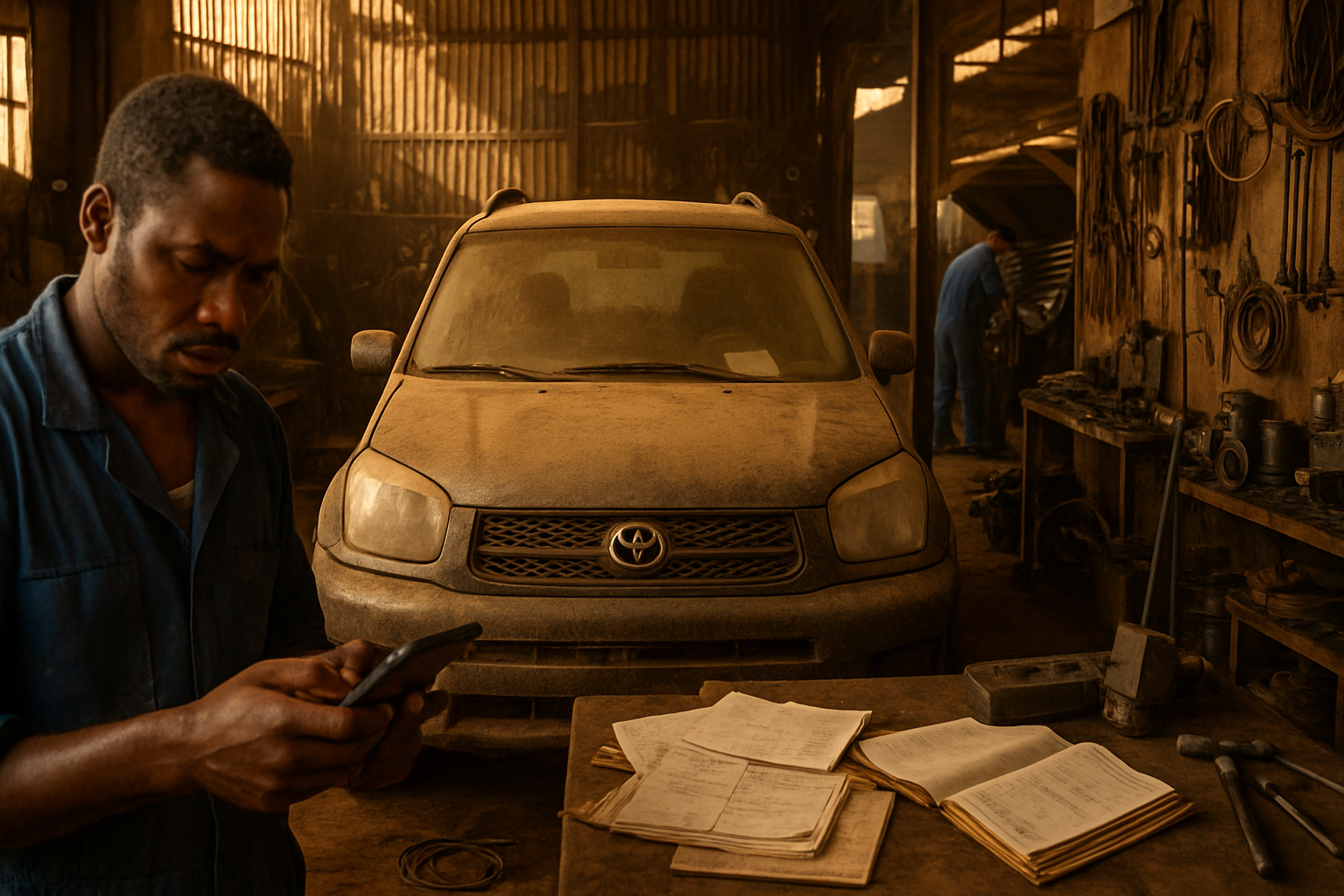
Samuel Muhire has been running his workshop in Nyamirambo for eight years, but nothing prepared him for what happened in 2019. "Suddenly, every second car rolling into my bay was a JAC pickup or a Chery sedan," he tells me over chai at his garage. "My usual parts suppliers had no idea what I was talking about when I asked for a Geely transmission filter."
Samuel's story mirrors what's happening across Rwanda. Chinese vehicles—from JAC commercial trucks to Chery passenger cars—have flooded the market as affordable used imports from Asia. But while these vehicles offer great value to customers, they've created a nightmare for mechanics trying to source quality parts.
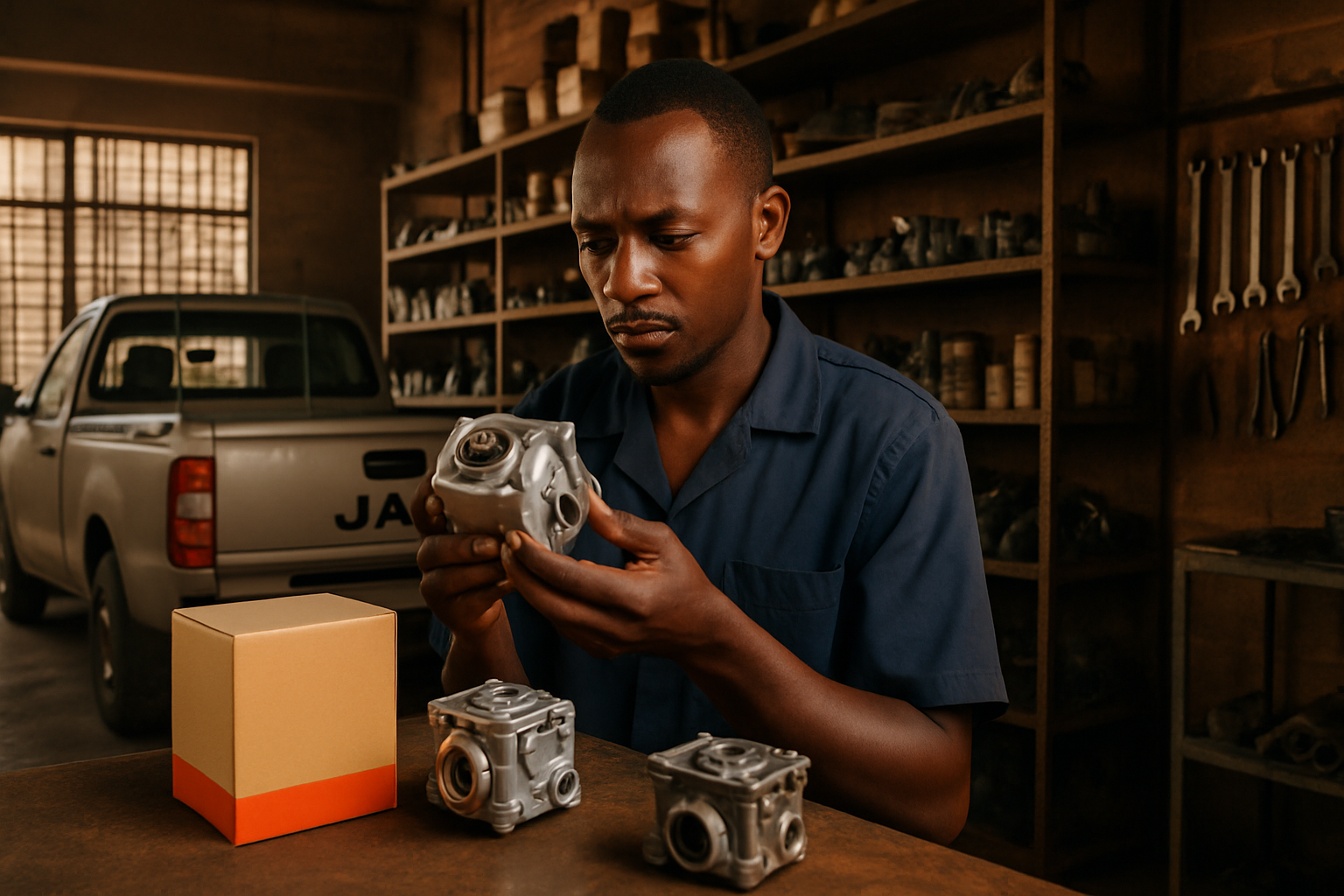
"I learned the hard way," Samuel continues. "Bought what I thought was an OEM alternator for a DongFeng truck from a supplier in Kampala. Three weeks later, it failed, and the customer was furious. Turns out it was a fake with genuine-looking packaging."
Why Fake Chinese Parts Are Different (And Dangerous)
Here's what most mechanics don't realize: counterfeiting Chinese auto parts isn't just about saving money—it's become an industry. Unlike European or Japanese parts where fakes are often obviously inferior, Chinese part counterfeits can be sophisticated.
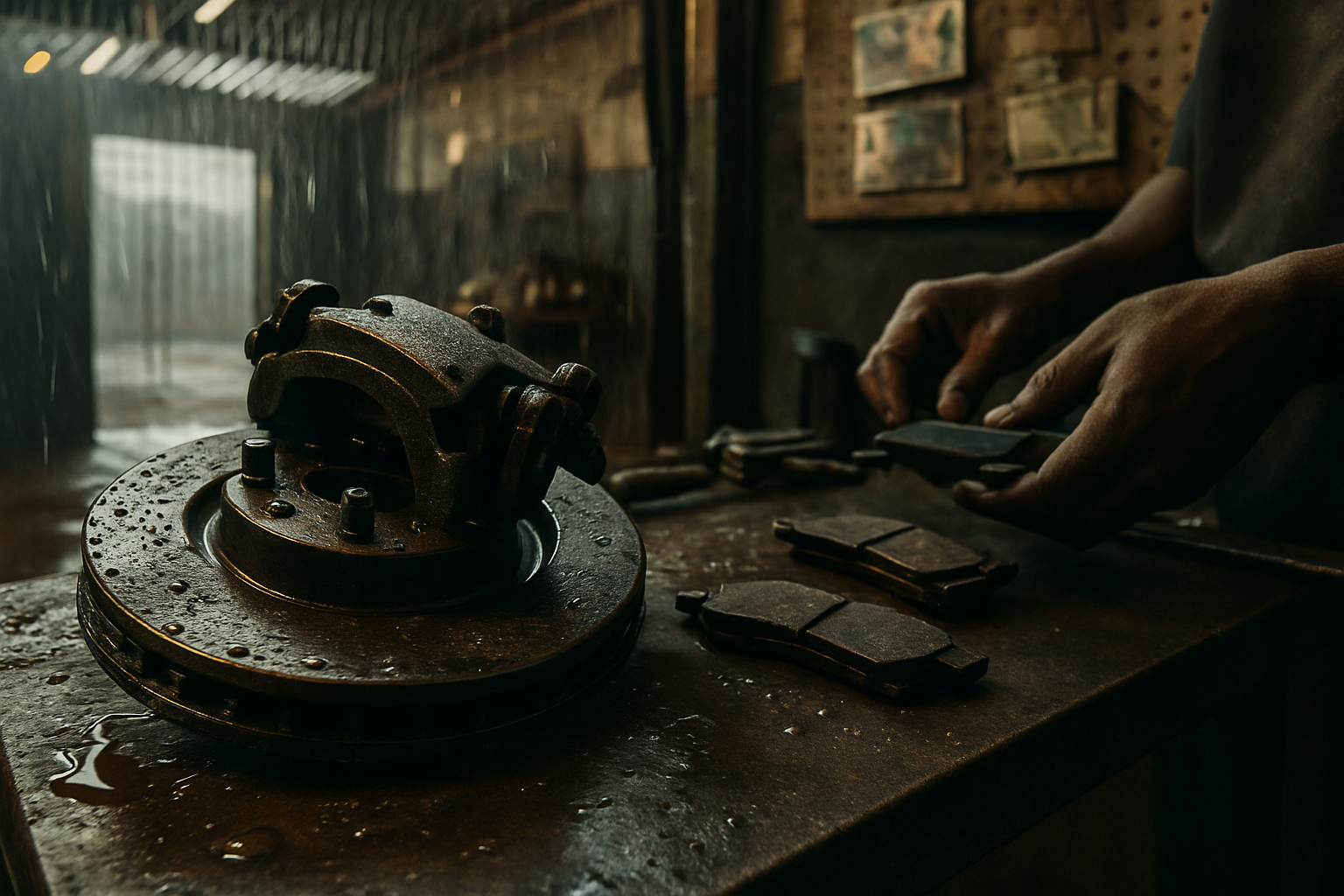
Jean-Claude Nzeyimana, who specializes in Chinese vehicles at his Kigali workshop, shows me two seemingly identical Chery brake pads. "The fake one on the left cost me 3,000 RWF from a dealer in Gisenyi. The genuine one cost 8,000 RWF from my trusted supplier in Nairobi. Guess which one lasted 40,000 kilometers and which one started squealing after 15,000?"
"The problem isn't that Chinese parts are low quality—the genuine OEM parts are actually quite good. The problem is the market is flooded with counterfeits that damage the reputation of the real parts." - Jean-Claude Nzeyimana, Kigali
The safety implications are real. Fake brake components, suspension parts, and electrical systems don't just fail—they can cause accidents. And when they do fail, your workshop's reputation takes the hit, not the counterfeit supplier who's already moved on.
The East African Parts Pipeline: Where to Find the Real Deal
After visiting dozens of workshops across Rwanda, I've mapped out where successful mechanics source genuine Chinese vehicle parts. The key is understanding the supply chain.
Nairobi: The Regional Hub
Most genuine Chinese parts flow through Kenya first. Agnes Wanjiku runs Auto Parts Kenya on Kirinyaga Road and has built relationships directly with Chinese manufacturers. "We get Geely, JAC, and Chery parts shipped directly from Guangzhou every month," she explains via WhatsApp. "Our Rwandan customers know they can trust our parts because we provide manufacturer certificates."
The advantage of sourcing through established Kenyan suppliers is documentation. Genuine suppliers provide:
- Manufacturer certificates with batch numbers
- Proper packaging with holographic stickers
- Warranty backing from the supplier
- Consistent quality across orders
Kampala's Growing Market
Uganda has become another reliable source, especially for JAC and DongFeng commercial vehicle parts. The industrial area near Nakawa has several suppliers who import directly from China and maintain good stock levels.
Moses Byamugisha runs Sino Auto Parts in Kampala and ships regularly to Rwanda. "We test every batch ourselves," he says. "Chinese manufacturers know their reputation depends on parts quality, so the genuine OEM parts are actually very reliable."
The DRC Wildcard
Lubumbashi has emerged as an unexpected source for specific Chinese vehicle parts, particularly for mining vehicles like DongFeng trucks. However, quality control is inconsistent, and shipping can be complicated.
Testing Your Suppliers Before You Commit
Patrick Uwimana learned this lesson after getting burned by a fake parts dealer. Now he has a systematic approach for vetting new suppliers:
The Small Order Test
"I never order more than 50,000 RWF worth of parts from a new supplier," Patrick explains. "I buy common items like oil filters, brake pads, and spark plugs first. If those are genuine and perform well, then I consider bigger orders."
Documentation Check
Genuine Chinese parts come with specific documentation that's hard to fake:
- QR codes that link to manufacturer databases
- Serial numbers that can be verified
- Holographic stickers with specific patterns
- Multi-language packaging with correct Chinese characters
"I ask suppliers to send photos of packaging before ordering," Patrick continues. "If they hesitate or the packaging looks off, I move on."
Performance Testing
For critical parts like brake components or engine parts, Patrick has developed relationships with customers who understand he's testing parts quality. "I have three taxi drivers who know I give them discounted service in exchange for feedback on parts performance. It's worth the cost to protect my reputation."
The Pricing Strategy That Actually Works
Here's where most workshops go wrong: they compete purely on price with fake parts, or they price genuine parts so high that customers go elsewhere.
Emmanuel Nsabimana found a middle ground. "I explain to customers that Chinese parts come in three categories: genuine OEM, aftermarket quality, and cheap fakes. I stock the first two and explain the difference clearly."
| Part Type | Price Range (RWF) | Warranty | Performance |
|---|---|---|---|
| Genuine OEM | High (100%) | 12 months | Original spec |
| Quality Aftermarket | Medium (60-70%) | 6 months | Good performance |
| Cheap Fakes | Low (30-40%) | None | Unreliable |
"Most customers choose the quality aftermarket parts once they understand the options," Emmanuel notes. "They get 80% of OEM performance at 30% savings compared to genuine parts, but with actual warranty backing."
Inventory Management: The Slow-Moving Parts Problem
Chinese vehicles present a unique inventory challenge. Unlike Toyota or Nissan where you can predict demand, Chinese vehicle parts have unpredictable turnover.
Marie-Claire Uwumukiza manages inventory for three workshops and has developed a system specifically for Chinese vehicle parts:
The 80/20 Stock Rule
"I keep 80% of my Chinese parts budget in fast-moving items—filters, belts, brake pads, spark plugs. The remaining 20% goes to critical but slow-moving parts like alternators, starters, and ECU components."
Regional Parts Sharing
Marie-Claire has arranged with four other workshops to share inventory costs for expensive, slow-moving parts. "If someone needs a Geely transmission solenoid, we split the cost and whoever uses it first pays the others back. It prevents all of us from tying up cash in parts that might sit for months."
Seasonal Adjustments
"Chinese commercial vehicles work harder during harvest season," Marie-Claire observes. "I stock up on clutch parts, suspension components, and brake parts in May and June because August and September are always busy."
Communicating Quality to Customers
The biggest challenge isn't sourcing good Chinese parts—it's overcoming customer prejudice. Many Rwandans assume all Chinese parts are inferior, which puts workshops in a difficult position.
David Nkurunziza has developed a communication strategy that works:
"I show customers the actual Chinese vehicle they're driving and explain that the manufacturer wouldn't put junk parts in their own vehicles. The OEM parts are made to the same standard as the original car."
The Documentation Approach
David keeps a folder of manufacturer certificates and warranty documents for all his Chinese parts suppliers. "When customers see official documentation from Chery or JAC, they understand these aren't random Chinese parts—they're parts made for their specific vehicle."
Performance Guarantees
"I offer the same warranty on genuine Chinese parts as I do on Japanese or European parts," David explains. "If I'm confident enough to warranty the part for 12 months, customers understand it's quality."
The Economics of Getting It Right
Let's be honest about the numbers. Genuine Chinese parts typically cost 40-60% more than fakes, but 30-50% less than equivalent European or Japanese parts. The math works when you factor in comebacks and reputation damage.
Samuel Muhire tracked his numbers for six months after switching to verified suppliers:
- Parts cost increase: 45% higher spend on parts
- Comeback reduction: 70% fewer warranty returns
- Customer retention: 85% of Chinese vehicle owners now return for service
- Net profit increase: 25% higher margins despite higher parts costs
"The fake parts were costing me more than the genuine ones when I factored in my time, customer complaints, and lost business," Samuel reflects. "Now customers trust me with their Chinese vehicles because they know I won't cut corners on parts quality."
Building Long-Term Supplier Relationships
The most successful workshops treat their Chinese parts suppliers like partners, not just vendors. This means:
Regular communication about new vehicle models entering the market and upcoming parts needs. Agnes in Nairobi sends monthly updates about new Chinese vehicle registrations in Rwanda.
Bulk ordering agreements that guarantee better pricing in exchange for commitment. Jean-Claude negotiates quarterly orders with his Kampala supplier, getting 15% better pricing than spot purchases.
Technical support from suppliers who understand the vehicles. The best suppliers can help with diagnostics and part identification, not just order fulfillment.
The Future of Chinese Vehicles in Rwanda
Chinese vehicle imports aren't slowing down. If anything, they're accelerating as more affordable models enter the market. Workshops that master Chinese parts sourcing now will have a significant advantage as this segment grows.
The key is treating Chinese vehicle parts like any other professional service: focus on quality, build reliable supply chains, communicate clearly with customers, and price fairly for the value provided. The workshops succeeding with Chinese vehicles aren't cutting corners—they're applying the same professional standards they use for any other vehicle brand.
As Samuel puts it: "Once you understand that genuine Chinese parts are just as good as any other OEM parts, everything else falls into place. The challenge isn't the parts—it's avoiding the fakes and building trust with customers who've been burned by bad experiences elsewhere."