The April Rush That Catches Everyone Off Guard
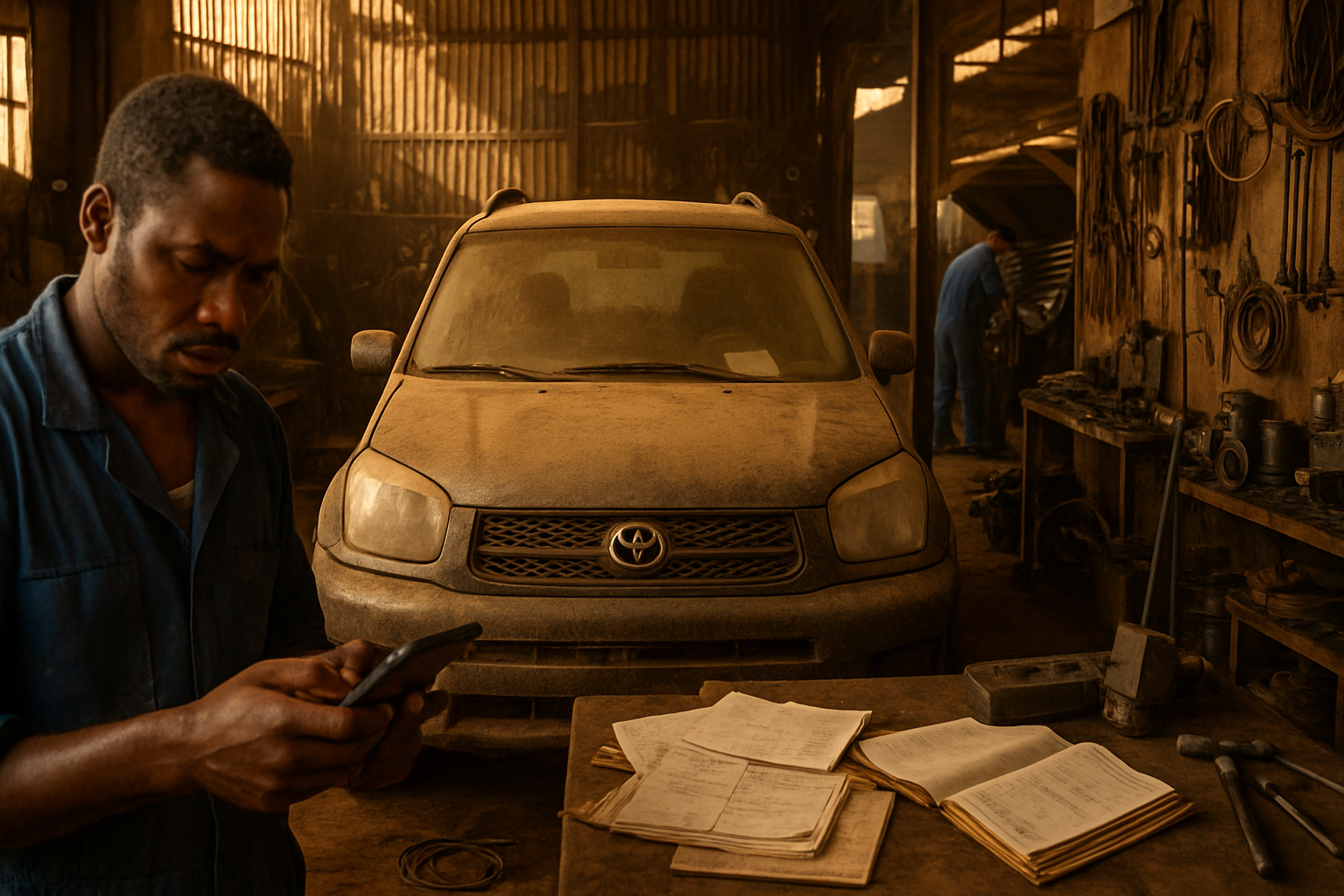
Jean-Claude Mukamana was having his best month ever at his garage in Kimihurura — until he wasn't. It was April 15th, and he'd already seen twelve brake jobs walk through his doors that week. The problem? He was charging the same 15,000 RWF for brake pads that he charged in January when business was slow.
"I thought I was being fair to my customers," Jean-Claude told me over a Primus at his shop last month. "But when I looked at my books in June, I realized I'd worked myself to death for the same profit margins I make during slow season. My competitors who raised prices during the rains? They're buying new equipment while I'm still fixing my old lift."
Jean-Claude's mistake isn't uncommon. According to data from the Rwanda Standards Board, brake-related failures spike by 58% during the long rainy season (March through May), yet most workshops maintain commodity pricing instead of capitalizing on increased demand and higher service complexity.
Why Rwanda's Rainy Season Creates a Brake Goldmine
The meteorology is simple, but the business opportunity is massive. Rwanda's long rains bring consistent moisture, poor visibility, and roads that turn from decent to treacherous overnight. Here's what actually happens to vehicles:
The Triple Threat to Brake Systems
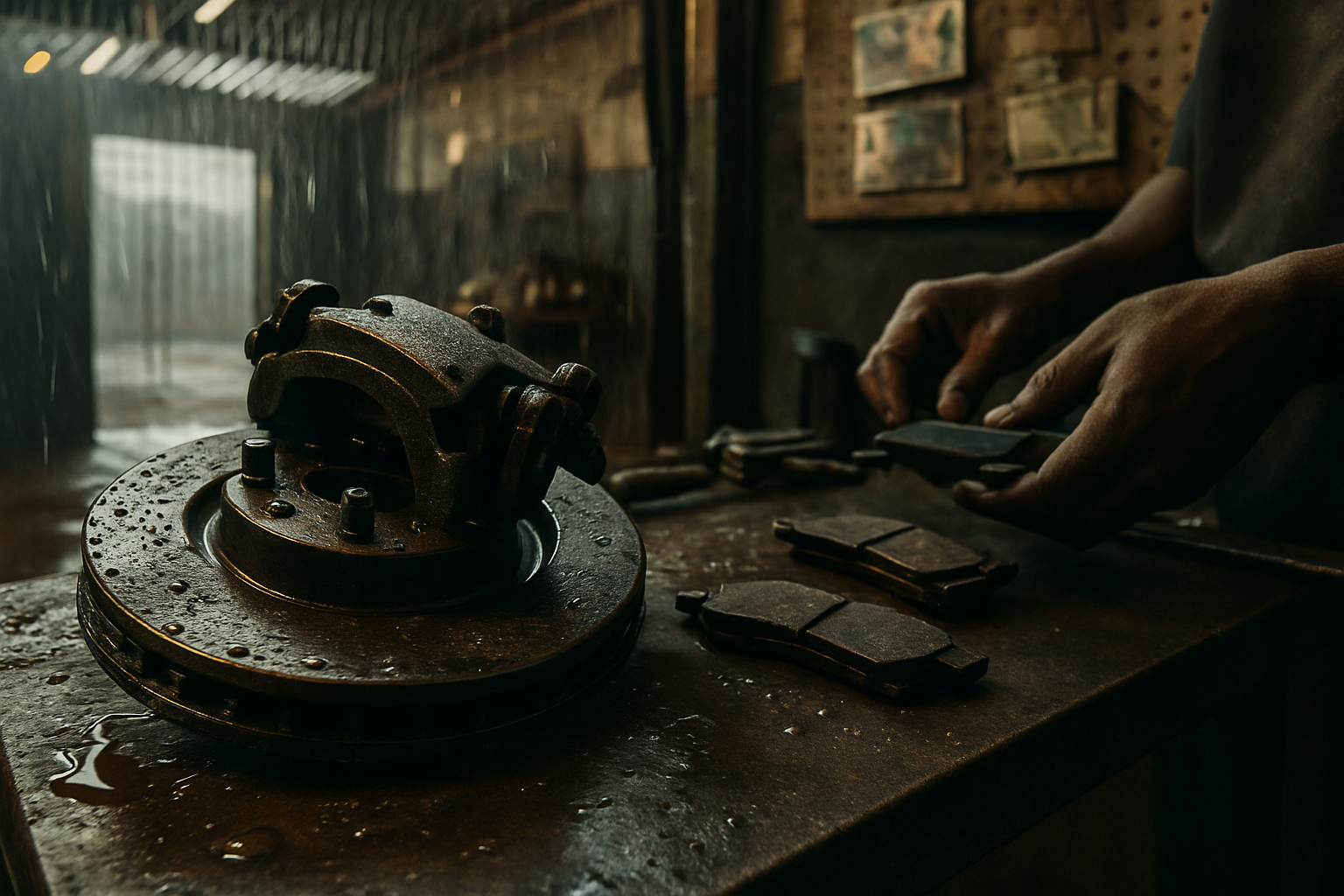
Moisture Penetration: Rwanda's 80-90% humidity during rainy months doesn't just make you uncomfortable — it seeps into brake systems through worn seals and creates internal corrosion. Patrick Nzeyimana, who runs a busy shop near Nyabugogo market, showed me brake calipers from three different vehicles that came in during one rainy week in April. "Look at this rust buildup," he said, pointing to orange flakes around the piston. "In dry season, these same calipers would last another 20,000 kilometers. Now they're seized."
Accelerated Pad Wear: Wet roads mean more braking events, and more aggressive braking. Data from East African Automobile Association shows that vehicles driven primarily during rainy season experience 40% faster brake pad wear compared to dry season driving. The constant moisture also creates a grinding paste when mixed with brake dust.
Electrical Cascade Failures: Here's where most shops miss money — they fix the obvious brake problem but ignore the electrical issues that caused it. Water infiltration creates shorts in ABS sensors, brake light switches, and parking brake modules. These aren't 2,000 RWF fixes — they're 25,000+ RWF jobs when done properly.
The Customer Risk Assessment That Most Shops Skip
Marie Uwimana transformed her small garage in Kicukiro by starting to identify at-risk customers before they broke down. Her secret? A simple inspection checklist that takes five minutes but generates an average of 35,000 RWF in additional work per customer.
"I used to wait for customers to come in with problems. Now I call them in March and tell them exactly what's going to fail during the rains. My appointment book fills up before April even starts." — Marie Uwimana, Kicukiro Auto Service
Red Flag Indicators for Rainy Season Failures
- Vehicle age over 8 years with original brake components
- Brake fluid that's dark or contaminated — moisture has already entered the system
- Any grinding or squealing sounds — pads are already compromised before the heavy rains hit
- Vehicles with high mileage on dirt roads — dust infiltration accelerates moisture damage
- Previous electrical work — compromised seals let water into sensitive components
Marie sends SMS messages to these customers in late February with a simple message: "Your Toyota Corolla is due for rainy season brake inspection. Book now — appointments fill up in April." Her conversion rate? 70% of contacted customers book within two weeks.
Stocking Strategy: Why Timing Beats Volume
Most workshops stock brake parts like they're running a hardware store — same inventory year-round, same suppliers, same margins. Smart shops treat rainy season like retailers treat Christmas.
Emmanuel Habimana runs three shops across Kigali and learned this lesson the expensive way. "First rainy season, I ran out of brake pads for Corollas by April 20th. Customers went elsewhere and never came back. Now I triple my brake inventory by March 1st."
The High-Demand Brake Components (April-May Rush)
| Component | Normal Monthly Orders | Rainy Season Orders | Markup Opportunity |
|---|---|---|---|
| Toyota brake pads (Corolla/RAV4) | 15 sets | 45 sets | 35-50% |
| Brake rotors (all makes) | 8 pairs | 25 pairs | 40-60% |
| Brake fluid (DOT 3/4) | 20 bottles | 60 bottles | 25-30% |
| ABS sensors | 3 units | 12 units | 80-100% |
| Brake calipers (rebuilt) | 2 units | 15 units | 60-80% |
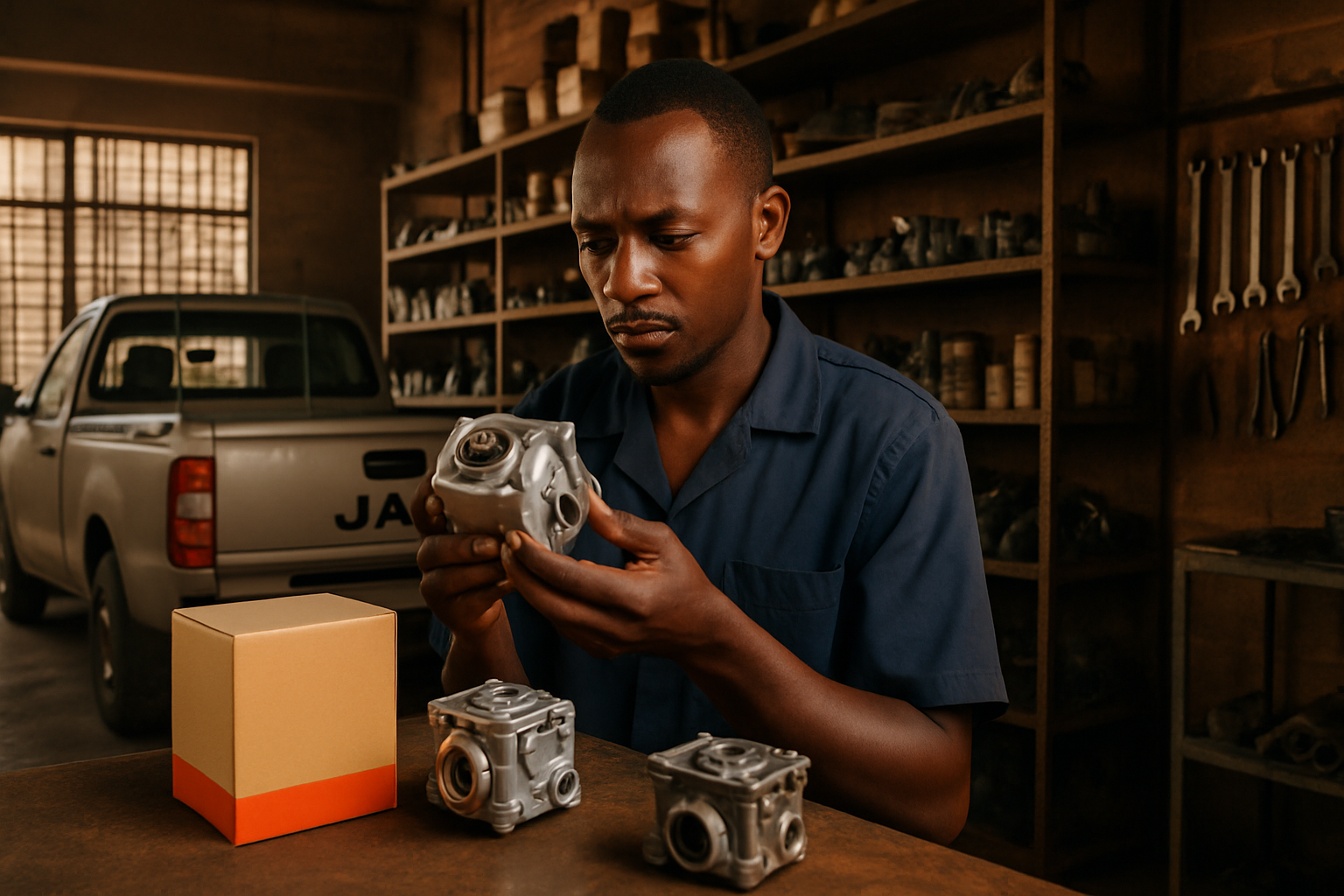
The key insight? ABS sensors and calipers have the highest markup opportunity because most shops don't stock them properly. When a customer's ABS system fails during the rains, they'll pay premium prices to get back on the road safely.
Pricing Brake Work: Stop Leaving Money on the Table
Here's the hard truth: brake work during rainy season isn't routine maintenance — it's emergency repair with safety implications. Yet most Kigali shops charge the same rate they'd charge for an oil change.
Consider the real cost structure during rainy season:
- Diagnosis takes longer — moisture creates multiple failure points
- Parts are harder to source — everyone needs the same components
- Labor is more complex — dealing with rust, seized parts, electrical issues
- Customer downtime costs are higher — people need their vehicles working in bad weather
The Service Package Approach That Works
Instead of charging piecemeal, successful shops bundle rainy season brake work into comprehensive packages. Here's what works in the Kigali market:
"Rainy Season Safety Package" - 65,000 RWF
- Complete brake inspection and fluid change
- Brake pad replacement (if needed)
- Rotor resurfacing or replacement
- Electrical system check (brake lights, ABS)
- 90-day warranty on all work
Compare this to piecemeal pricing: brake pads (15,000), fluid change (3,000), labor (8,000), rotor work (12,000) = 38,000 RWF. The package approach generates 70% more revenue while giving customers better value and peace of mind.
Appointment Scheduling: Avoiding the Bottleneck
The difference between a profitable rainy season and a chaotic one often comes down to scheduling. Smart shops start booking rainy season brake work in February, before the rush hits.
Diane Murekatete runs a small but highly profitable shop in Nyamirambo. Her secret? She treats April like a surgeon treats operating room time — every slot is planned, and emergency work gets premium pricing.
"I learned from watching the big hospitals. They don't take walk-ins for surgery, and I don't take walk-ins for brake jobs during rainy season. Emergency work pays double, scheduled work keeps my technicians efficient."
The Appointment Slot Strategy
February-March: Book 60% of April capacity with regular customers at standard rates
April Week 1-2: Premium pricing (30% markup) for remaining slots
April Week 3-May: Emergency pricing (50-100% markup) for walk-ins
This approach does two things: it rewards loyal customers with better pricing and availability, while maximizing revenue from procrastinators and emergency situations.
The Electrical Opportunity Most Shops Miss
Here's where the real money is hiding: electrical problems caused by moisture infiltration. Most shops fix the mechanical brake issue but send customers away with electrical faults that will cause problems within weeks.
Consider this common scenario: Customer comes in with squealing brakes during the rains. Average shop changes pads, charges 15,000 RWF, customer leaves happy. Two weeks later, ABS warning light comes on — moisture has shorted the wheel speed sensor.
Now the customer has three options:
- Return to your shop (if you know how to diagnose electrical issues)
- Go to a specialist (and you lose a customer forever)
- Live with a dangerous ABS fault
Smart shops use moisture-related brake jobs as entry points for comprehensive electrical inspection. The diagnostic fee alone (8,000-12,000 RWF) often exceeds the profit margin on basic brake pad replacement.
Why Most Shops Fail to Capitalize
After visiting dozens of workshops across Kigali during last year's rainy season, I identified four reasons why most shops leave money on the table:
1. Commodity Mindset: They treat all brake work the same, regardless of complexity or demand
2. Poor Inventory Planning: They stock based on last month's sales, not seasonal patterns
3. No Customer Communication: They wait for problems instead of preventing them
4. Undervaluing Expertise: They charge parts-and-labor rates instead of solution-based pricing
The Bottom Line for Kigali Workshops
The data is clear: East African vehicle failure rates increase by nearly 60% during heavy rains, with brake-related issues accounting for 40% of emergency repairs. Yet most workshops operate like it's any other season.
The shops making real money during Rwanda's rainy season aren't necessarily the biggest or best-equipped — they're the ones that recognize seasonal demand patterns and price their services accordingly. They stock properly, schedule efficiently, and most importantly, they help customers prevent problems instead of just fixing them.
As Jean-Claude put it when I saw him again last month: "This year I'm ready. My brake inventory is tripled, my prices reflect the real value I provide, and my appointment book is already 70% full for April. The rains bring problems for drivers, but they bring profits for prepared workshops."
The question for workshop owners reading this: Will you be ready when the next rainy season arrives, or will you work twice as hard for the same money while watching smarter competitors cash in?