The April Exodus: When Kigali's Best Mechanics Walk
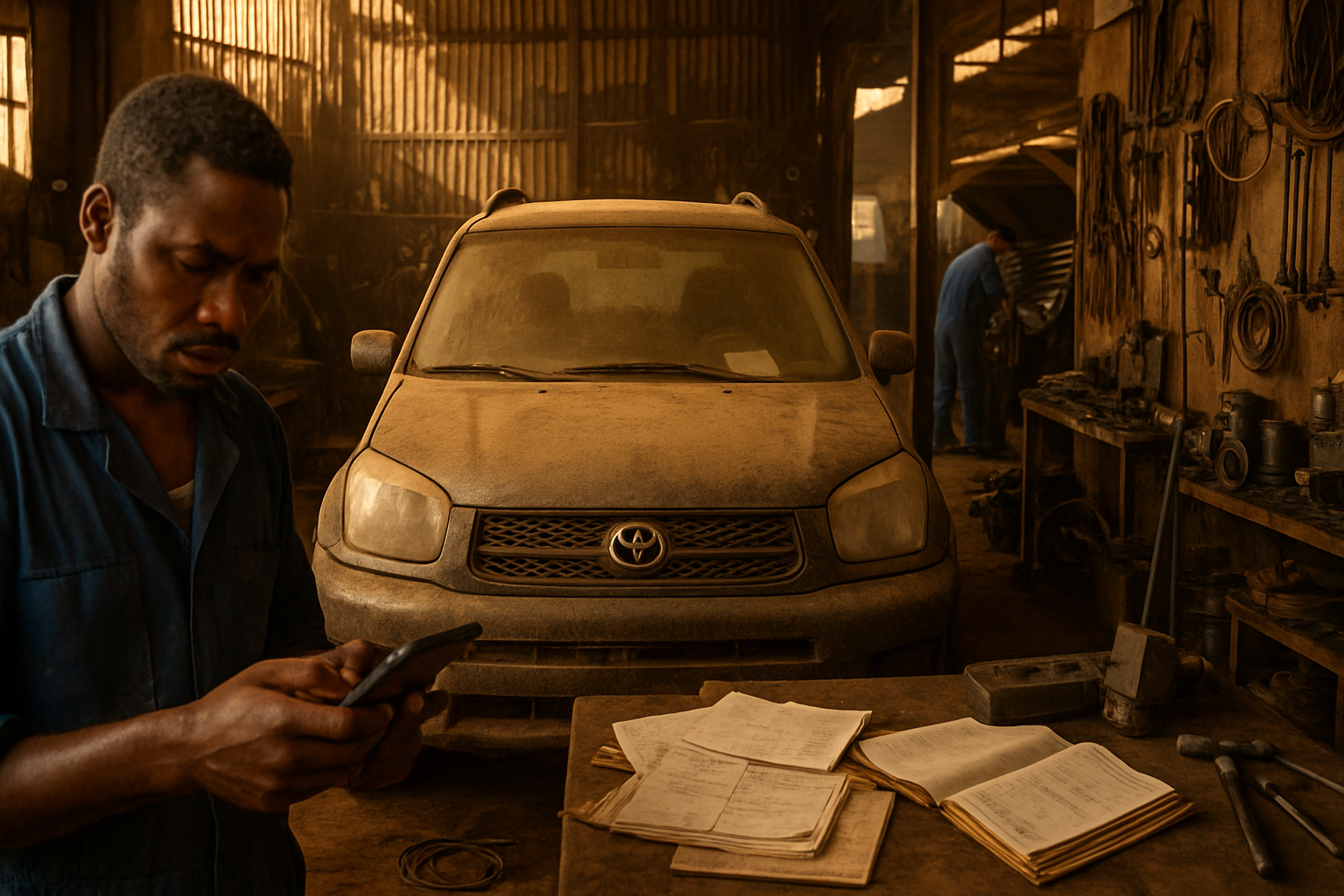
Emmanuel Nzeyimana was making coffee at 5:30 AM when his phone buzzed. His best diesel technician, Claude, wasn't coming in. Not sick, not an emergency—he'd taken a job across town at a competing garage. "Just like that," Emmanuel told me from his Kimisagara workshop. "Three years training him, and boom. Gone in April."
Sound familiar? Every garage owner in Kigali knows the April story. The rains have cleaned the roads, construction season is ramping up, and every shop is desperate for good hands. Your best technicians start getting offers, and suddenly you're scrambling to replace skills you spent years building.
But here's what Emmanuel learned after losing three mechanics in two years: it's not just about money. The shops that keep their best people understand something deeper about what Rwandan technicians actually want.
Why April-May Breaks Your Team
Let's be honest about the timing. After months of heavy rains, vehicles need serious attention. Suspension work, electrical issues from moisture, engine problems from sitting idle. Every garage in town is booked solid, which means two things: massive overtime for your current team, and competitors with deep pockets hunting for experienced hands.
Sarah Mukamana runs a three-bay shop in Nyamirambo and watched this pattern destroy her business twice before she figured it out. "I thought I was being generous paying overtime," she explained. "But my guys were working 12-hour days, seven days a week. Money doesn't fix exhaustion."
"I had one technician tell me straight: 'Boss, I don't need more money. I need to see my family.' That's when I understood." - Sarah Mukamana, Nyamirambo Auto Service
The burnout hits hardest on your most reliable people—the ones pulling extra shifts because they care about quality work. These are exactly the technicians other shops want to poach. They offer signing bonuses, promises of better hours, and suddenly your investment walks out the door.
What Rwandan Technicians Actually Value (Beyond the Paycheck)
After talking to dozens of technicians across Kigali, a clear pattern emerges. Yes, fair wages matter, but four things matter more:
Predictable Hours and Respect for Personal Time
Jean-Baptiste left a shop in Kacyiru despite earning good money because his boss expected him available every weekend. "My children didn't know their father," he said. The garage that hired him pays slightly less but guarantees one full weekend off per month and no calls after 8 PM.
Quality Tools and Safe Working Conditions
"Show me a shop where technicians buy their own tools, and I'll show you a shop with turnover problems," says Patrick Uwimana, a master mechanic with 15 years experience. Good tools aren't just about efficiency—they're about respect. When you invest in proper equipment, you're saying the work matters.
Learning Opportunities
The most surprising finding? Technicians will stay for training opportunities even when competitors offer more money. Modern vehicles require constant learning, and mechanics know their value depends on staying current. Shops that send people to manufacturer training or invest in diagnostic equipment keep their best talent.
Clear Career Progression
"I want to know where I'll be in three years," explained Marie, one of the few female technicians in Kigali. "Not just doing the same oil changes forever." Shops that promote from within and create senior technician roles have dramatically lower turnover.
Smart Bonuses That Don't Kill Your Margins
Emmanuel learned this lesson the hard way. After losing Claude, he panicked and started throwing money at the problem—matching every competing offer, giving random bonuses. "I was hemorrhaging cash and still losing people," he said.
The solution? Structure incentives around what actually drives business success:
| Traditional Bonus | Smart Alternative | Why It Works |
|---|---|---|
| Monthly cash bonus | Quarterly performance bonus tied to customer satisfaction scores | Rewards quality work, builds customer loyalty |
| Overtime pay only | Efficiency bonus for completing jobs under book time without quality issues | Encourages skill development, improves profitability |
| Equal bonuses for all | Skills-based progression with clear benchmarks | Rewards growth, gives clear advancement path |
| Cash-only rewards | Mix of cash, training opportunities, and tool allowances | Appeals to different motivations, builds capability |
The key is predictability. Technicians need to know exactly what they're working toward. Random bonuses feel arbitrary—structured progression feels like investment in their future.
Building a Training Program That Creates Loyalty
Here's the counterintuitive truth: the best way to keep technicians is to make them more valuable to competitors. Sounds crazy, but it works.
Consider David Ngabonziza's approach at his Remera garage. Every technician gets 40 hours of training annually—diagnostic software, new vehicle systems, safety procedures. "Other shops try to poach my guys," David said, "but they know they won't get training anywhere else."
Start Small, Build Systematically
You don't need expensive programs from day one. David started with:
- Weekly 30-minute technical discussions during slow periods
- Rotation system where junior technicians shadow seniors on complex jobs
- Documentation requirement where experienced techs write up unusual repairs for team learning
- Manufacturer training for at least one person per year, with requirement to teach others
The investment pays off in two ways: technicians feel valued and developed, plus your shop develops reputation for high-skill work that commands better rates.
Using Technology to Spot Trouble Before It's Too Late
Modern workshop management systems can predict turnover before you see obvious signs. The data tells the story if you know what to look for.
Grace Uwimana, who manages two locations in Kigali, started tracking technician metrics after losing her best transmission specialist. "I wish I'd been watching the signs," she said. "The data was all there."
Key Warning Indicators
Overtime Hours Trending Up: When good technicians start working excessive hours consistently, it often means they're covering for systemic problems or being overloaded. This leads to burnout and makes them receptive to offers.
Quality Scores Dropping: A previously reliable technician making more mistakes usually indicates stress, distraction, or disengagement. Address it early.
Increased Time-Off Requests: Sudden requests for time off, especially around busy seasons, can signal job searching or interview scheduling.
Productivity Patterns: Ironically, sometimes your most productive people are at highest risk. They're handling the hardest jobs and longest hours, making them attractive to competitors.
"Our workshop software started flagging patterns I never would have noticed. Now I can have conversations before people make decisions." - Grace Uwimana, Twin Peaks Garage
The Mentorship System That Actually Works
The most successful retention strategy costs almost nothing: pairing senior technicians with junior ones in a structured way. But it has to be done right.
Joseph Habimana tried informal mentoring for years with mixed results. Then he formalized the process:
- Clear expectations: Senior mentors get specific training on how to teach, not just work alongside juniors
- Recognition system: Mentors receive monthly bonus based on their mentee's progress and retention
- Structured progression: Clear milestones for junior technicians, with mentor input on advancement
- Cross-training focus: Juniors rotate between mentors to learn different specializations
The genius of this system? It makes your best technicians stakeholders in retention. They have financial and professional incentives to develop others, which keeps them engaged while building your bench strength.
The Real Cost of Losing People
Let's do the math honestly. When Claude left Emmanuel's shop, the real cost wasn't just replacing him:
- Lost productivity: 2-3 months to find and train replacement (200,000 RWF in lost revenue)
- Overtime costs: Remaining techs working extra hours at premium rates (150,000 RWF)
- Training investment lost: Manufacturer certifications, on-job learning (100,000 RWF)
- Knowledge gap: Specific customer histories, vehicle quirks, shop procedures (50,000+ RWF in efficiency losses)
Total cost: over 500,000 RWF for one good technician. And that's conservative—it doesn't account for customer dissatisfaction from longer wait times or quality issues during transition.
Prevention Math
Compare that to retention investment:
- Annual training budget per technician: 80,000 RWF
- Performance bonus structure: 120,000 RWF per year
- Better tools and equipment per bay: 200,000 RWF one-time
- Mentorship program administration: 50,000 RWF annually
Total annual retention investment per technician: roughly 250,000 RWF. Half the cost of replacement, and it builds capability instead of just maintaining status quo.
Building Your April Defense Strategy
Start planning now, not when your best people start getting offers. Emmanuel's new approach combines everything he learned:
January-March: Annual reviews with clear development plans, training schedule planning, tool and equipment upgrades
March specifically: Pre-emptive conversations with key staff about workload expectations, additional support during busy season, recognition of their value to the business
April-May management: Strict overtime limits, rotating schedules to prevent burnout, weekly check-ins with each technician
Year-round culture: Regular team meetings, open communication about challenges, investment in workplace improvements
"I haven't lost a key technician in two years," Emmanuel said. "And my shop is more profitable because I'm not constantly training new people."
The shops that survive April aren't necessarily the ones paying the most. They're the ones that figured out what Rwandan technicians actually want: respect, growth, reasonable hours, and investment in their future. Get those right, and salary becomes just one factor in a much larger equation.
Your best defense against April poaching isn't matching every offer that comes along—it's building a place people don't want to leave.