The Real Cost of Border Delays
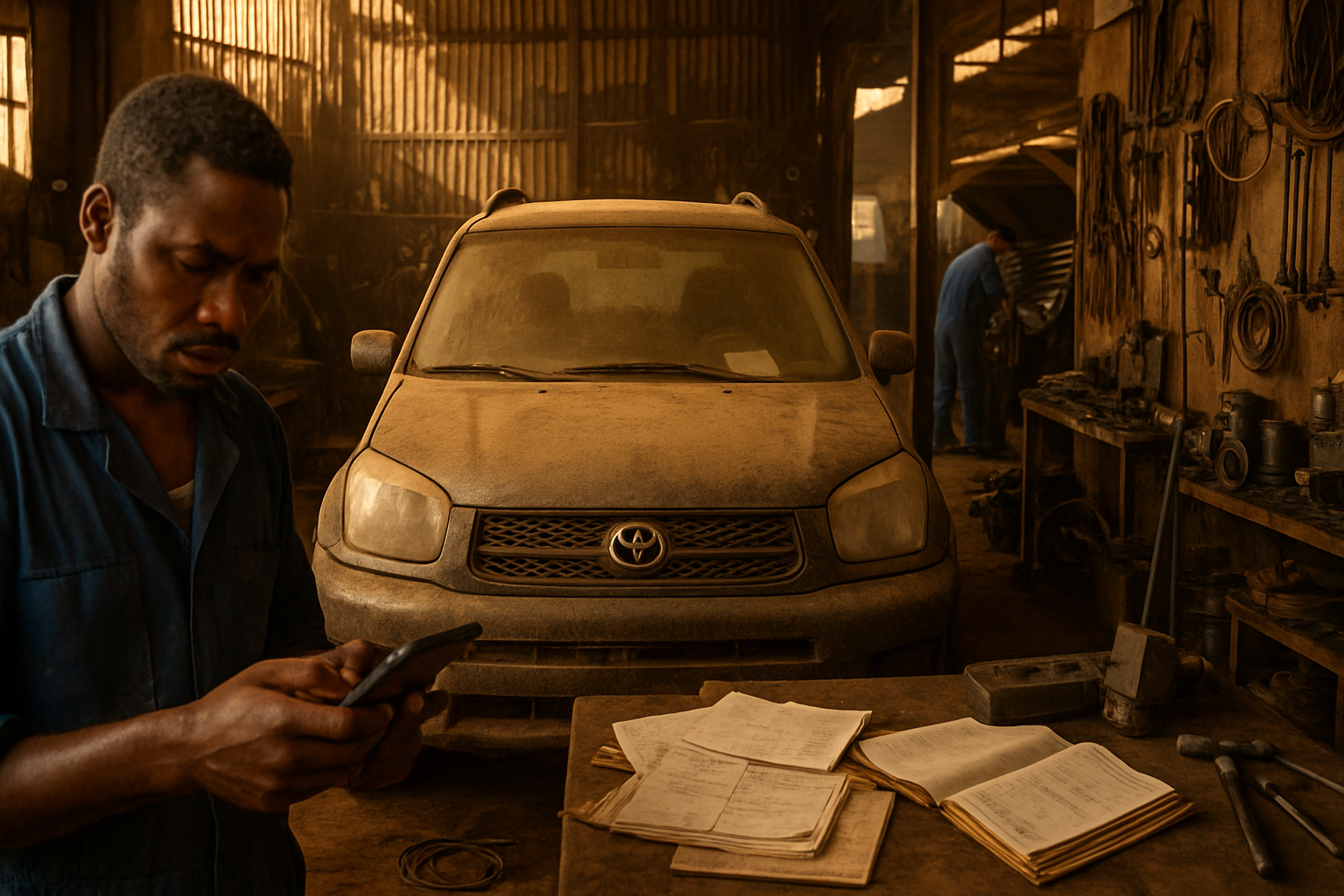
Emmanuel runs a workshop in Kimisagara, Kigali, and last month he learned an expensive lesson about importing engine parts. A customer brought in a 2015 Toyota Land Cruiser V8 with a blown head gasket—a big job that should have netted him 150,000 RWF in labor alone. Emmanuel ordered the gasket set from his supplier in Kampala, quoted the customer 5 days for the repair, and pulled the engine apart.
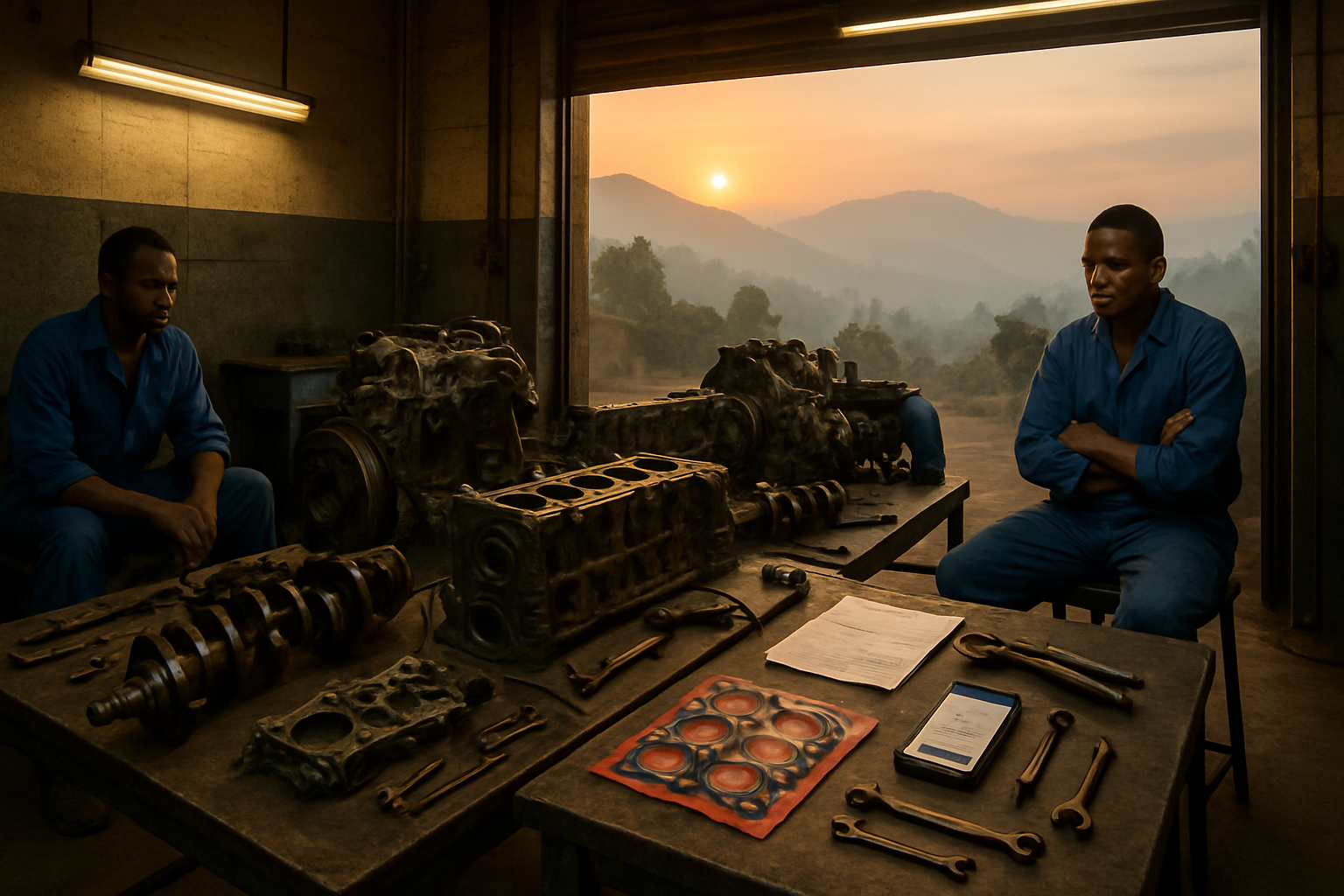
Three weeks later, the Land Cruiser was still sitting in his bay, parts scattered across two work benches, while the head gasket kit sat in customs at Gatuna border. Emmanuel had tied up his best mechanic, lost two other jobs that week, and had an increasingly angry customer calling twice daily. When he finally got the parts and completed the job, he'd lost over 300,000 RWF in opportunity cost.
"I used to think customs delays were just part of doing business," Emmanuel told me over chai at his workshop. "Now I realize they were bankrupting me—one delayed part at a time."
What Really Happens at Rwanda's Borders
After talking to workshop owners across Kigali, Butare, and Musanze, here's what typical import delays actually look like:
- Gatuna border (Uganda): 8-14 days average for automotive parts, longer during peak seasons
- Rusumo border (Tanzania): 10-16 days, particularly slow for electrical components requiring additional inspection
- Nemba border (Burundi): 6-12 days, but limited supplier network
- Cyanika border (Uganda): 12-18 days, often the slowest but sometimes cheapest for bulk orders
Jean-Claude, who owns three workshops in Nyabugogo, explained the real delays: "The paperwork says 3-5 days, but that's if everything goes perfect. One missing stamp, one holiday, one computer system down—suddenly your 5-day job becomes a 3-week nightmare."
Why Delays Happen
The main culprits workshops told me about:
- Documentation issues: Wrong HS codes, missing certificates of origin
- Inspection backlogs: Limited staff during busy periods
- Payment processing: Bank transfers can take 2-3 days to clear
- Holiday seasons: End of year, Kwibuka period, harvest season
- Weather: Heavy rains affecting transport from Mombasa
Which Parts to Stock vs. Import On-Demand
Smart workshop owners are learning to categorize their inventory differently. Marie, who runs a successful shop in Remera specializing in Japanese cars, showed me her strategy:
Always Stock Locally:
- Toyota Prado/Land Cruiser: Oil filters, air filters, brake pads, spark plugs
- Honda CR-V/Fit: CVT fluid, brake fluid, timing belts
- Chinese brands (JAC, Foton): Basic filters, belts, small electrical components
- Universal items: Engine oil, coolant, brake fluid, basic gaskets
"I keep three months of fast-moving parts in stock. Yes, it ties up cash, but it keeps my bays busy. A brake job that takes two hours makes more sense than an engine job that takes three weeks." — Marie, Remera workshop owner
Import On-Demand (But Plan Carefully):
- Major engine components: Pistons, crankshafts, cylinder heads
- Transmission parts: Valve bodies, torque converters, clutch kits
- Specialized electrical: ECUs, ABS modules, instrument clusters
- Body parts: Bumpers, fenders, lights for older models
Negotiating Better Terms With Suppliers
The workshops making money have figured out how to work with suppliers in Uganda and Kenya. Patrick, who imports about 2 million RWF in parts monthly, shared his approach:
Building Supplier Relationships
"I visit my main suppliers in Kampala twice a year," Patrick explained. "Face-to-face relationships matter in East Africa. When you're just a phone number, you get treated like everyone else. When they know your face, your parts move faster."
His key negotiation points:
- Consolidated shipping: Weekly shipments instead of per-order basis
- Pre-clearance arrangements: Supplier handles documentation before shipping
- Minimum order guarantees: In exchange for priority handling
- Local agent agreements: Having someone at the border who knows your business
Working With Kenyan Suppliers
Sarah from Muhanga found success with Nairobi suppliers for Honda and Chinese vehicle parts: "Kenyan suppliers often have better documentation systems. Yes, the shipping takes longer through Tanzania, but the parts clear customs faster because the paperwork is correct."
| Route | Shipping Time | Customs Time | Total Days | Best For |
|---|---|---|---|---|
| Kampala → Gatuna | 1-2 days | 8-14 days | 9-16 days | Toyota, heavy parts |
| Nairobi → Rusumo | 3-4 days | 6-10 days | 9-14 days | Honda, electrical |
| Dar es Salaam → Rusumo | 4-5 days | 10-16 days | 14-21 days | Chinese brands, bulk orders |
Customer Communication That Protects Your Business
The workshops that survive import delays are the ones that learned to communicate properly. David from Kicukiro developed a system after losing three major customers to poor communication:
Upfront Honesty
"I tell every customer the truth now," David said. "If I'm importing parts, I say 14-21 days minimum. Some customers walk away, but the ones who stay don't call me every day asking where their car is."
His communication checklist:
- Written estimate: Clear timeline with import contingencies
- 50% deposit: Before ordering any imported parts
- Weekly updates: Even if nothing has changed
- Alternative options: Local parts or used alternatives if available
Protecting Your Labor Hours
The smartest shops charge differently for jobs requiring imported parts. Jacques from Nyarutarama explained: "If I'm taking your engine apart and waiting for parts, I charge 30% of the labor upfront. That way, even if the job drags on, I'm not financing the repair with my own cash flow."
"Customer communication isn't just about being nice—it's about protecting your cash flow. One angry customer who hasn't paid can sink a small workshop." — Jacques, Nyarutarama workshop
The Real Math of Import Delays
Let me show you the actual numbers from Emmanuel's Land Cruiser job that went wrong:
Original Estimate:
- Labor: 150,000 RWF (20 hours at 7,500/hour)
- Parts: 280,000 RWF (head gasket set, bolts, fluids)
- Timeline: 5 days
- Total quote: 430,000 RWF
What Actually Happened:
- Labor lost to tied-up bay: 300,000 RWF (missed other jobs)
- Additional communication time: 20,000 RWF (phone calls, meetings)
- Rush fees at border: 35,000 RWF (to expedite clearance)
- Customer goodwill discount: 50,000 RWF (to keep the customer)
- Total loss: 405,000 RWF
"That one job cost me almost as much as I made," Emmanuel reflected. "Now I understand why some workshops charge storage fees for long repairs."
Smart Pricing for Import Jobs
The workshops that consistently make money on import jobs have developed pricing strategies that account for delays. Here's what they're doing:
The "Import Job" Pricing Structure
- Labor rate increase: 20-30% higher for jobs requiring imported parts
- Minimum timeframe: Never quote less than 14 days for import jobs
- Storage fees: After 30 days, daily storage charges apply
- Progress payments: 50% deposit, 30% when parts arrive, 20% on completion
Alternative Revenue Streams
While waiting for parts, successful shops generate revenue through:
- Quick service jobs: Oil changes, brake inspections, diagnostics
- Local repair work: Welding, bodywork, electrical troubleshooting
- Preventive maintenance: Services that don't require special parts
Technology Solutions That Actually Help
The most successful workshops I visited weren't just managing parts delays—they were tracking them professionally. Alice, who runs a growing workshop in Kimihurura, showed me how she uses workshop management software to stay on top of imports:
Parts Tracking Features That Matter
- Order status updates: Real-time tracking from supplier to workshop
- Customer notifications: Automated updates sent weekly
- Cost tracking: Real cost per job including delays and storage
- Supplier performance: Which suppliers deliver on time vs. chronically late
"Before I had software, I was managing 20 different parts orders in my head," Alice explained. "Now everything is documented. I can tell you exactly how much each delay cost me and which suppliers to avoid."
Customer Communication Tools
The software helps with customer management too:
- Automated SMS updates: Parts status changes trigger customer notifications
- Photo documentation: Before/during/after photos for insurance and customer confidence
- Digital estimates: Clear breakdown of local vs. imported parts costs
- Payment tracking: Which customers have paid deposits vs. outstanding balances
"The software pays for itself just in time saved explaining to customers why their car isn't ready yet. Everything is documented and professional." — Alice, Kimihurura workshop
Building a Sustainable Import Strategy
The workshops that thrive despite Rwanda's import challenges have built systems around the delays, not in spite of them. Here are their key principles:
Diversify Your Supplier Base
- Primary supplier: Main relationship in Uganda or Kenya
- Backup supplier: Different country/route for urgent jobs
- Local network: Connections with other workshops for emergency parts sharing
- Used parts sources: Reliable dismantlers for older vehicles
Build Customer Relationships That Survive Delays
- Regular customers first: Priority service for loyal clients
- Fleet accounts: Companies that understand business timelines
- Preventive maintenance focus: Revenue that doesn't depend on imports
- Education: Teaching customers about the real costs of vehicle ownership in Rwanda
The workshops making money in Rwanda's automotive industry aren't fighting the import system—they're working within it intelligently. They charge appropriately for the delays they know will happen, communicate honestly with customers, and use technology to manage the complexity.
As Emmanuel told me at the end of our conversation: "I still import parts, but now I make money doing it. The difference is I plan for delays instead of hoping they won't happen."