English
 AR
AR
The April Opportunity That Most Egyptian Workshops Miss
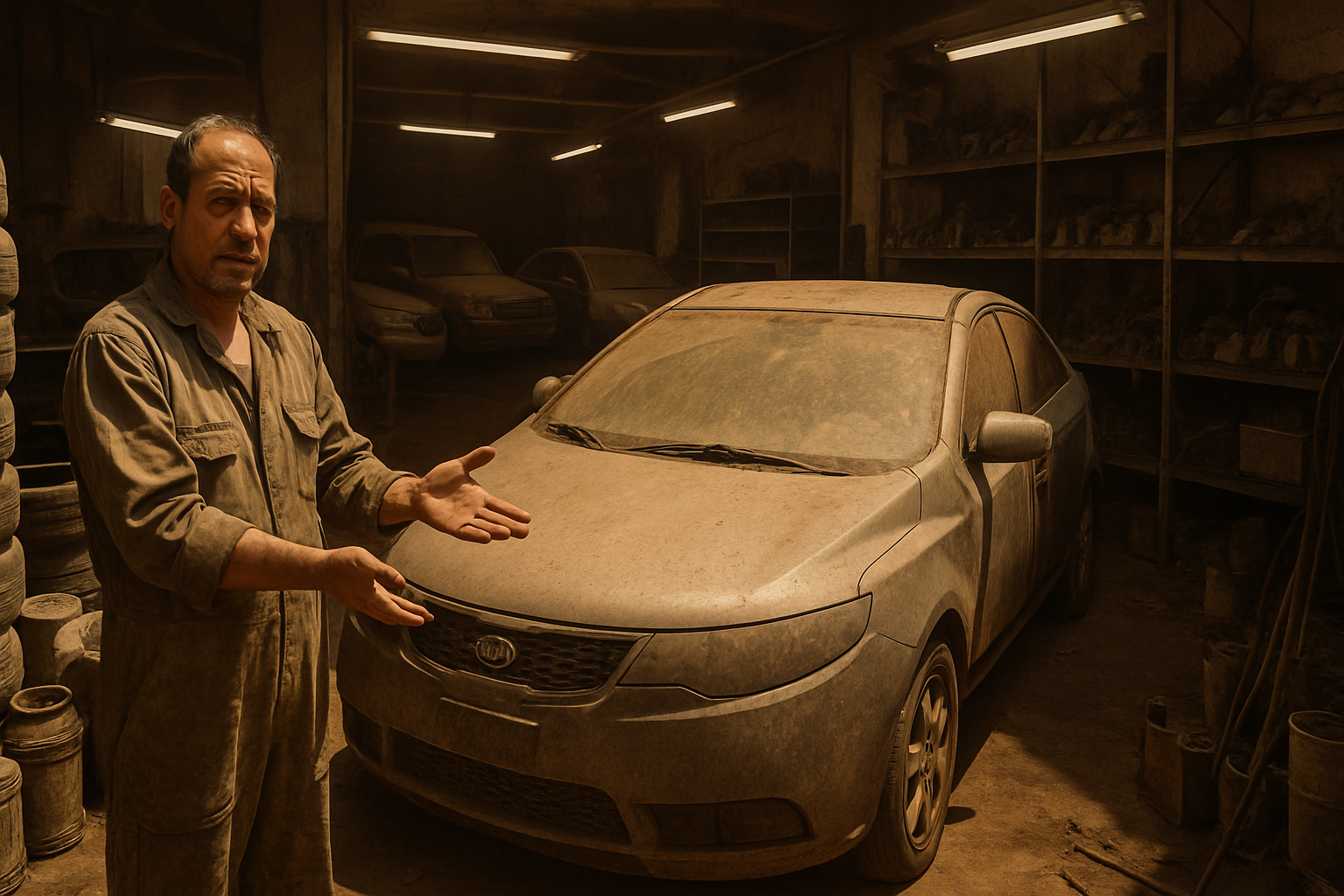
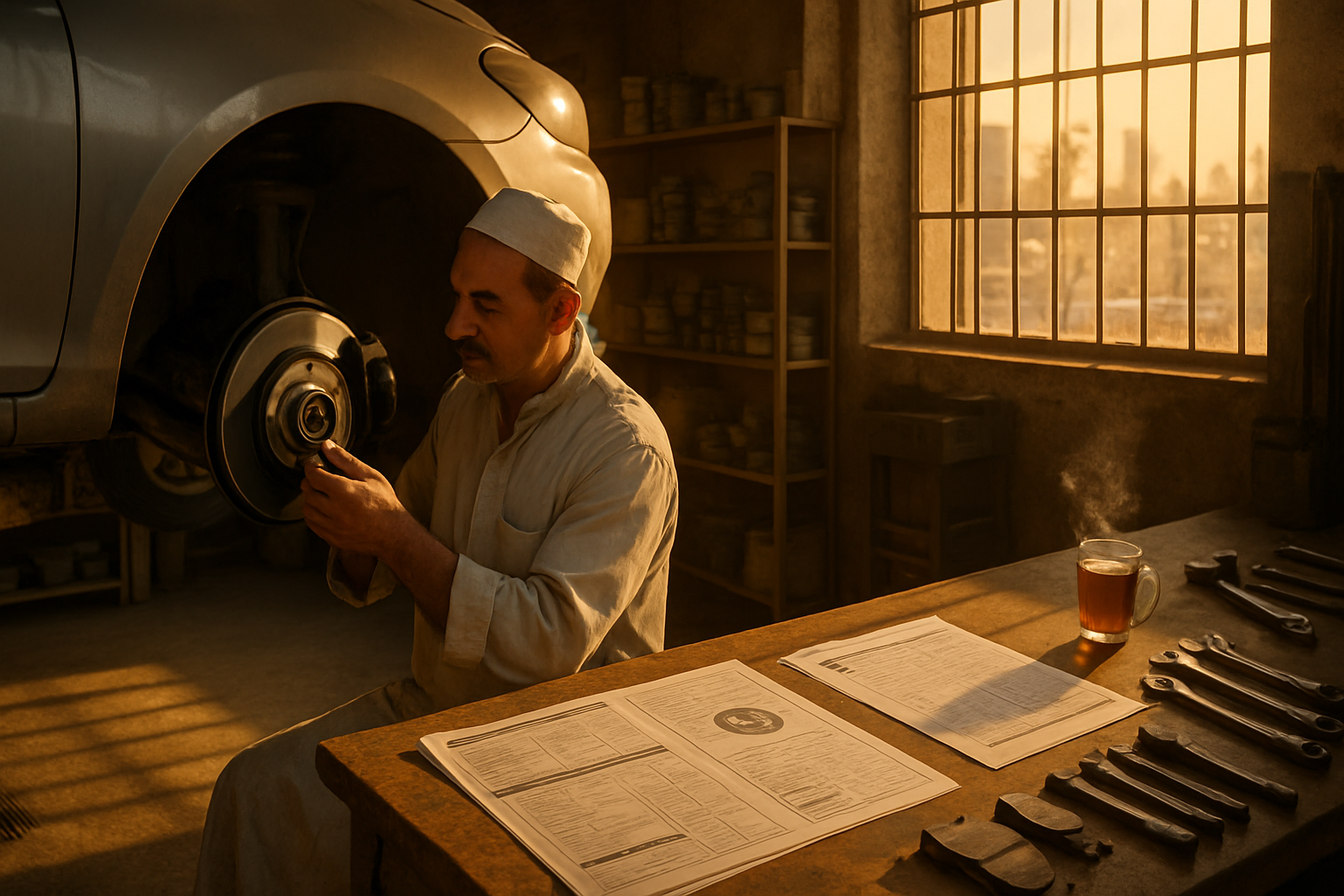
Ahmed runs a workshop in Nasr City, and every April he sees the same pattern. As temperatures climb toward the brutal summer months, customers start bringing their cars in for "check-ups" before family trips to the North Coast or visits to relatives in Alexandria. Most of these cars haven't had proper brake inspections in years — some haven't touched their brake pads since 80,000 km ago.
"I used to just change the oil and send them away," Ahmed tells me over tea in his small office. "Then I realized I was sending families out on dangerous roads with brakes that could fail. That's when I started doing real brake inspections."
The result? Ahmed now generates an additional 8,000-12,000 EGP per month just from April brake work — all without pushing unnecessary services or damaging his reputation. The secret isn't aggressive upselling. It's professional documentation and honest communication.
Why Egyptian Drivers Ignore Their Brakes (Until It's Too Late)
In Egypt's cost-conscious market, brake maintenance often gets delayed until the last possible moment. I've visited workshops from downtown Cairo to Port Said, and the story is always the same: customers wait until they hear grinding noises or feel their pedal going to the floor before they take action.
"They think if the car stops, the brakes are fine," says Mahmoud, who runs a Toyota-focused shop in Heliopolis. "They don't understand that by the time you hear metal-on-metal grinding, you're looking at 2,500 EGP in rotor replacement instead of 1,200 EGP for pads only."
This mentality creates a massive opportunity for workshops willing to educate customers properly. Most Egyptian cars are running on brake pads worn down to dangerous levels, especially given the stop-and-go torture of Cairo traffic.
The Real Cost of Delayed Brake Service
Consider these common scenarios I've documented in Egyptian workshops:
- Scenario 1: Pads replaced at 3mm thickness = 1,200 EGP total cost
- Scenario 2: Pads ignored until grinding = 1,200 EGP pads + 2,000 EGP rotors = 3,200 EGP
- Scenario 3: Complete neglect until brake failure = 5,000-8,000 EGP for calipers, rotors, pads, and fluid
The difference between early detection and crisis repair can be 4,000-6,000 EGP per car. That's money that could have stayed in the customer's pocket with proper maintenance scheduling.
The Professional Brake Inspection Sequence That Builds Trust
Successful Egyptian workshops follow a systematic approach that customers can see and understand. Omar, who operates a busy shop near Cairo's Ramses station, walks me through his process:
Visual Inspection (5 minutes)
"First, I show the customer the brake pad thickness through the wheel spokes," Omar explains, pointing to a Corolla on his lift. "I use a small flashlight so they can see exactly what I'm seeing. If the pad is less than 3mm, I explain that Egyptian traffic demands immediate attention."
Key checkpoints:
- Pad thickness measurement (minimum 3mm for Egyptian conditions)
- Rotor surface condition (scoring, heat cracks, rust buildup)
- Brake line condition, especially important in coastal cities like Alexandria where salt air causes accelerated corrosion
- Caliper alignment and mounting bolt condition
Brake Fluid Analysis (3 minutes)
"Egyptian heat kills brake fluid faster than anywhere else," Omar notes, checking the fluid reservoir. "I show customers the color difference between fresh fluid and the dark, contaminated fluid that's been cooking in their system for three years."
The brake fluid test is particularly effective because it's visual proof customers can understand immediately. Fresh DOT 3/4 fluid should be clear or light amber. Dark brown or black fluid needs immediate replacement.
Road Test Documentation (10 minutes)
Professional shops don't just inspect — they test. A brief road test around the block reveals:
- Pedal feel and travel distance
- Brake pull to one side (indicating uneven pad wear or caliper problems)
- Noise levels during normal braking
- ABS system function if equipped
The Documentation System That Increases Approval Rates by 60%
Here's where most Egyptian workshops fail: they find problems but can't communicate them effectively. Customers become suspicious when a mechanic verbally lists expensive repairs without proof.
Khalid in Alexandria solved this problem with a simple photo documentation system. "I take before photos of everything — pad thickness, rotor condition, fluid color. Then I sit with the customer and show them exactly what needs attention."
"When customers see photos of their own brake pads worn down to the metal, they don't argue about the price. They want to fix it immediately." — Khalid, Alexandria
Essential Documentation Elements
| Component | Photo Requirement | Measurement | Customer Explanation |
|---|---|---|---|
| Brake Pads | Close-up through wheel spokes | Thickness in mm | "Egyptian traffic requires minimum 3mm" |
| Rotors | Surface condition detail | Scoring depth assessment | "Smooth surface = good braking" |
| Brake Fluid | Color comparison shot | Reservoir level | "Clear fluid = safe, dark = dangerous" |
| Brake Lines | Corrosion points (coastal areas) | Flexibility test | "Flexible lines prevent brake failure" |
Honest Pricing That Builds Long-Term Revenue
Egyptian customers are incredibly price-sensitive, but they're not stupid. They can spot inflated pricing and unnecessary work from a kilometer away. The workshops making consistent money use transparent, competitive pricing.
Current Market Rates (April 2024)
Based on my research across Cairo, Alexandria, and Giza workshops:
- Brake Pads: 800-1,500 EGP depending on vehicle type and pad quality
- Rotor Replacement: 1,200-2,500 EGP per pair, varies by car model
- Brake Fluid Flush: 400-800 EGP including DOT 3/4 fluid
- Caliper Rebuild: 2,000-5,000 EGP depending on complexity and parts availability
- Complete Brake Line Replacement: 1,500-3,000 EGP (essential in coastal workshops)
The key is explaining why each service is necessary, not just quoting a price. Successful workshops break down costs: parts, labor, and shop overhead. This transparency builds trust.
The Inspection Report Template That Customers Trust
Professional documentation separates legitimate workshops from fly-by-night operations. I've seen shops increase their brake work approval rates from 30% to over 80% simply by implementing proper reporting.
Essential Report Elements
A professional brake inspection report should include:
- Customer and vehicle information (name, phone, license plate, odometer reading)
- Current condition assessment with measurements and photos
- Safety recommendations prioritized by urgency
- Detailed pricing for each recommended service
- Timeline for repairs (immediate, within 1 month, within 3 months)
- Mechanic signature and shop stamp for accountability
"The report protects both of us," explains Hassan, who runs a workshop in Maadi. "The customer knows exactly what work we're recommending and why. I'm protected if they choose to delay critical repairs and have problems later."
How Shop Management Software Transforms Brake Inspections
Modern workshops are moving beyond paper forms and WhatsApp photos. Digital inspection systems with photo attachments create professional reports that customers take seriously.
Mostafa in New Cairo invested in workshop management software last year. The results surprised him: "Customer complaints dropped to almost zero because everything is documented. They can see before and after photos, understand exactly what we did, and they trust our recommendations."
Key Software Features for Brake Inspections
- Photo attachment system: Multiple images per inspection item
- Measurement recording: Digital pad thickness and rotor condition data
- Automated pricing: Consistent quotes based on current parts costs
- Customer communication: Professional reports sent via WhatsApp or email
- Follow-up scheduling: Automatic reminders for recommended services
The investment typically pays for itself within 2-3 months through increased brake work approval rates.
Building Customer Loyalty Through Honest Communication
The workshops generating consistent brake revenue aren't the ones pushing the hardest — they're the ones customers trust most. This trust takes time to build but creates lasting relationships.
"I have customers who drive from Zamalek to my shop in Nasr City just for brake work. They trust that I won't sell them anything they don't need, so when I do recommend something, they approve it immediately." — Ahmed, Nasr City
This approach creates a virtuous cycle:
- Professional inspection reveals actual problems
- Clear documentation proves necessity
- Fair pricing ensures customer satisfaction
- Quality work prevents future failures
- Satisfied customers return and refer others
The 5,000-12,000 EGP Monthly Revenue Formula
Here's how the numbers work for a typical Egyptian workshop conducting 20 brake inspections per month in April:
- 10 cars need immediate pad replacement: 10 × 1,200 EGP = 12,000 EGP
- 5 cars need rotor work: 5 × 2,000 EGP = 10,000 EGP
- 15 cars need fluid flush: 15 × 600 EGP = 9,000 EGP
- 3 cars need caliper attention: 3 × 3,000 EGP = 9,000 EGP
Total potential: 40,000 EGP in brake work
Even with a conservative 25% approval rate, that's 10,000 EGP in additional monthly revenue. Professional documentation and honest communication can push approval rates to 60-80%, dramatically increasing the actual revenue generated.
Avoiding the Upselling Trap That Kills Customer Trust
The biggest mistake Egyptian workshops make is recommending unnecessary work to inflate bills. This approach might generate short-term revenue, but it destroys long-term customer relationships.
"I learned this the hard way," admits Tarek, who operates a workshop in Giza. "I used to recommend everything I could find, even minor issues. Customers stopped trusting me, and my repeat business disappeared. Now I focus on safety-critical items first, and customers appreciate the honesty."
Priority System for Brake Recommendations
- Immediate safety concerns: Pad thickness under 2mm, brake fluid leaks, seized calipers
- Near-term maintenance: Pads at 3-4mm, discolored fluid, minor rotor scoring
- Preventive items: Brake line inspection, caliper cleaning, performance upgrades
By presenting recommendations in order of safety importance, workshops maintain credibility while still identifying all potential revenue opportunities.
Conclusion: Professional Brake Inspections as a Revenue Strategy
April's pre-summer inspection season offers Egyptian workshops a legitimate opportunity to increase monthly revenue by 5,000-12,000 EGP through systematic brake inspections. The key isn't aggressive upselling — it's professional documentation, honest communication, and fair pricing.
Workshops that implement proper inspection procedures, document their findings professionally, and communicate clearly with customers build the trust necessary for sustained revenue growth. In Egypt's competitive automotive service market, this trust-based approach creates loyal customers who return regularly and refer others.
The investment in proper tools, documentation systems, and training pays for itself quickly through increased approval rates and customer retention. Most importantly, these workshops sleep well at night knowing they're keeping Egyptian families safe on the road — while building profitable, sustainable businesses.