English
 Español
 Deutsch
 FI
FI
 PT
PT
 BR
BR
 FR
FR
 AR
AR
 ZH
ZH
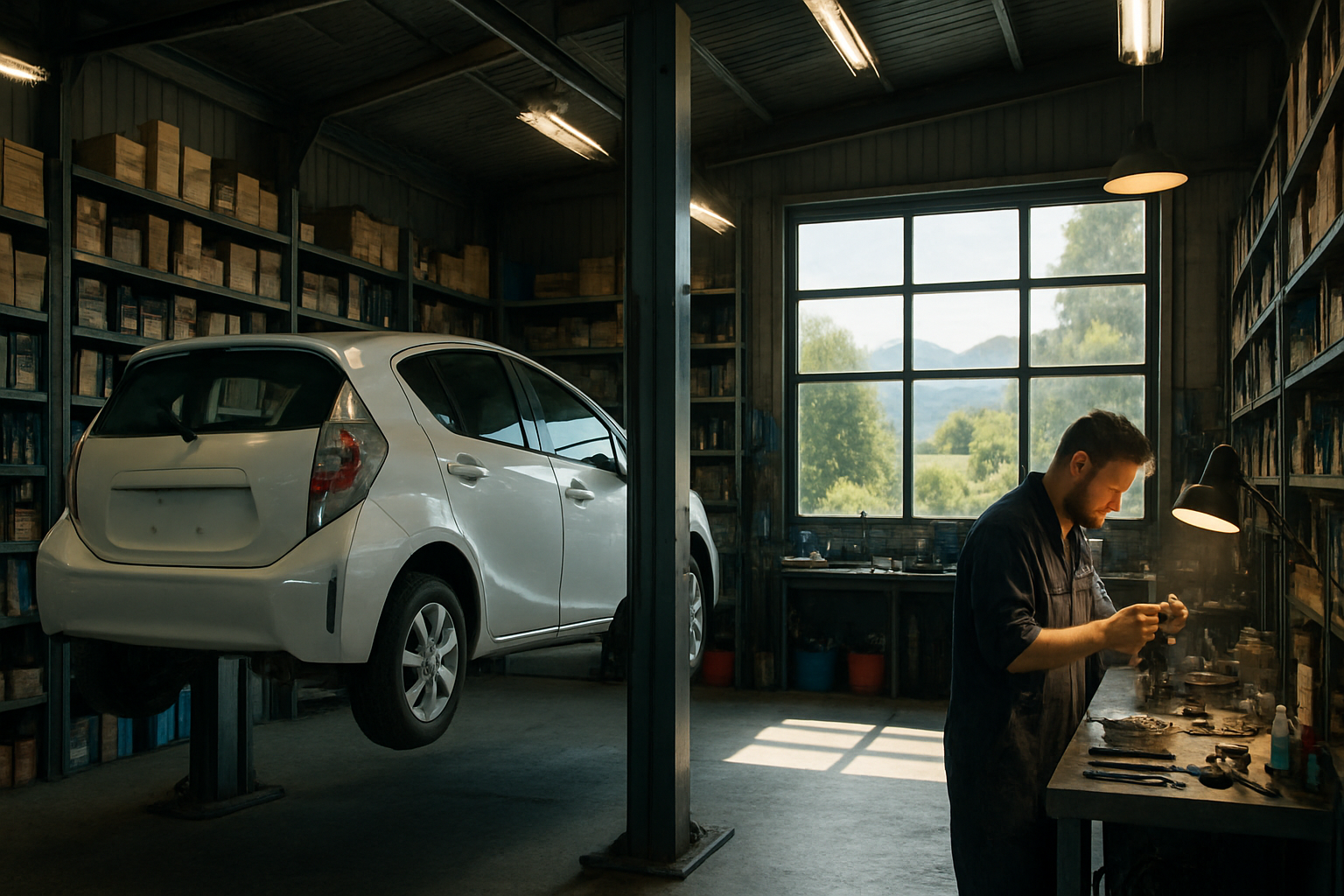
New Zealand has one of the most Japanese-dominated car markets in the world. Over 60% of vehicles on Kiwi roads were made in Japan — many imported as used vehicles through dealers and auctions. Toyota Aqua (Prius C), Honda Fit, Suzuki Swift, Mazda Demio, Nissan Note, Subaru Legacy — these are the cars that fill every car park from Whangarei to Invercargill.
The beauty for workshops: Japanese cars are reliable, well-built, and parts are standardised. The challenge: New Zealand is a small, remote market. Parts that are available same-day in Sydney or Auckland can take 3–5 days if your local supplier does not stock them.
The workshops that stock common Japanese parts avoid the wait — and keep customers happy.
The Top 10 Parts Every Kiwi Workshop Should Stock
Based on the most common repairs for NZ's most popular Japanese models:
- Brake pads — Aqua/Prius/Fit/Swift: $30–$60 per set wholesale. Stock 10 sets. Used weekly.
- Oil filters — Toyota/Honda/Mazda: $5–$15 each. Stock 20. Used daily.
- Air filters — common Japanese fitments: $15–$30 each. Stock 15. Changed at every service.
- Cabin filters — Aqua/Fit/Demio: $15–$25 each. Stock 10. Easy upsell at every service.
- Spark plugs — common Japanese: $8–$15 each. Stock 20. NGK/Denso covers 90% of Japanese cars.
- Wiper blades — standard sizes: $10–$25 per pair. Stock 10 pairs. WoF failure item — instant sale.
- CV boots — common sizes: $25–$50 each. Stock 6. Common WoF failure on older imports.
- Wheel bearings — common Japanese: $30–$80 each. Stock 4. Noisy bearings are a regular complaint.
- Thermostat — common Toyota/Honda: $20–$40 each. Stock 4. Overheating is common in summer.
- Bulb assortment — headlight/brake/indicator: $5–$15 each. Stock 20+. WoF failure — instant sale.
Total stock investment: $1,500–$3,000. Everything turns over in 4–6 weeks. No dead stock because these are the most common cars in New Zealand.
The "Parts Available Now" Advantage
When a customer brings in their Honda Fit with worn brake pads, you have two options:
Option A: "I need to order the pads. Come back in 3 days." Customer is disappointed. Maybe they go elsewhere.
Option B: "I have the pads in stock. I can do it this afternoon." Customer is delighted. Job done. Invoice paid. They tell their mates.
The difference in revenue: Option A = maybe $0 (lost customer). Option B = $200 today.
Tracking What You Use
After 3 months of tracking every part on every job in Mekavo, you know EXACTLY what to stock. "We used 8 sets of Aqua brake pads, 12 Toyota oil filters, and 6 cabin filters last month." Order accordingly. No guessing, no overstocking, no understocking.
Free for Kiwi workshops. Track parts, track suppliers, track costs. The data tells you what to buy — your gut does not have to.