English
 Español
 Deutsch
 FI
FI
 PT
PT
 BR
BR
 FR
FR
 AR
AR
 ZH
ZH
 UR
UR
 TL
TL
 TH
TH
 TR
TR
 PL
PL
 RO
RO
 BG
BG
 ID
ID
 MS
MS
 LT
LT
 IT
IT
 NL
NL
 CS
CS
 SK
SK
 SL
SL
 ET
ET
 SV
SV
 NB
NB
Almost every South African used-car transaction needs a Roadworthy Certificate (RWC). The certificate confirms the vehicle is mechanically safe and roadworthy at the moment of inspection. Without one, the new owner cannot register the vehicle in their name.
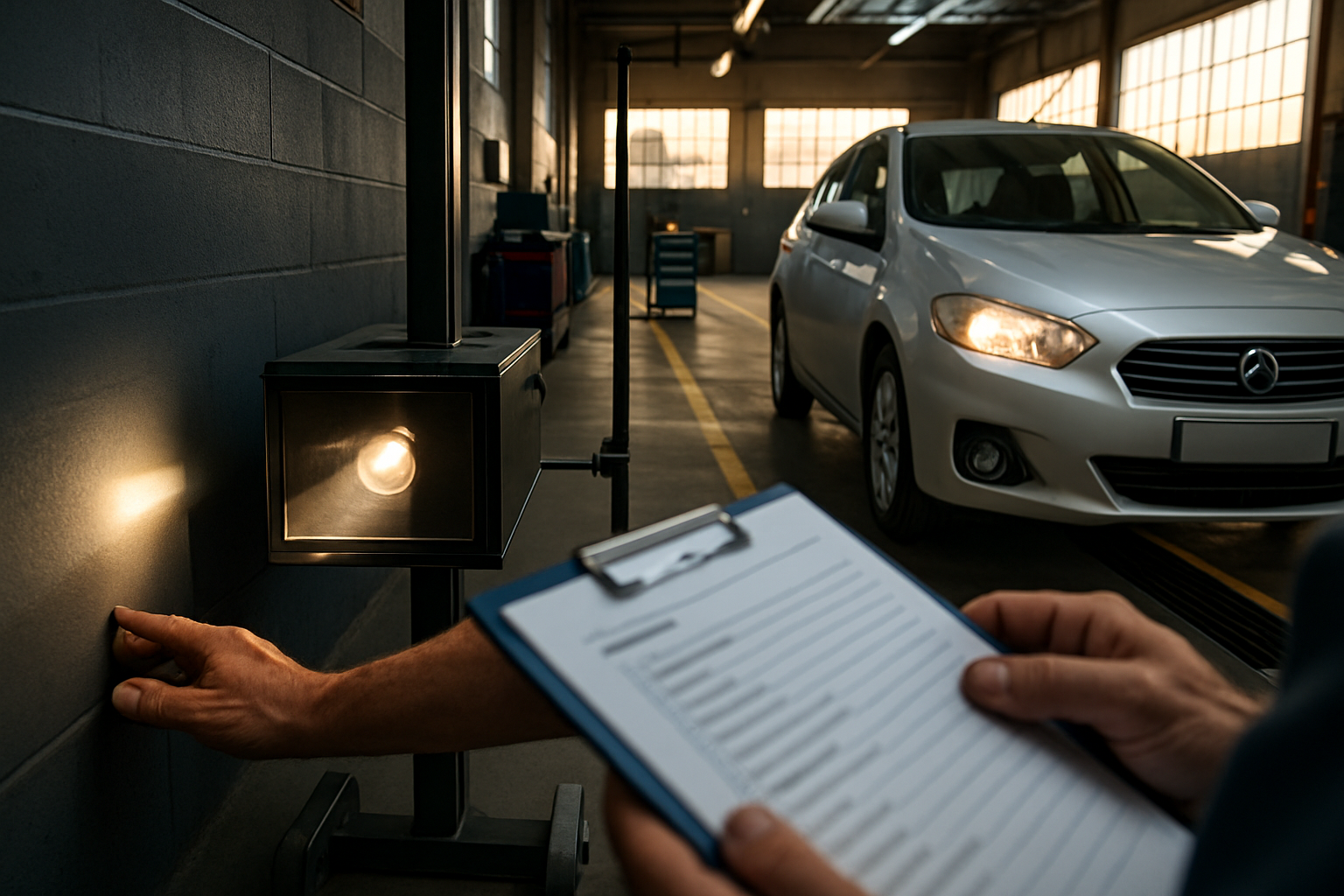
The test is short — typically 30-45 minutes at a Vehicle Testing Station (VTS) — but the failure rate is significant. About one in three SA cars fails first time, mostly for items the seller could have spotted the night before with a torch.
Here is the honest guide for buyers checking the certificate, sellers preparing for the test, and anyone needing a refresher on the SA roadworthy rules.
When You Actually Need an RWC
- At change of ownership — the seller provides a valid RWC to the buyer, who needs it to register the vehicle in their name. This is the most common scenario.
- When re-registering a vehicle that has been deregistered — for example, a car that has been off the road for a long time
- When importing a vehicle from outside SA
- After a vehicle has been written off and rebuilt (Code 3 vehicles need a roadworthy AND a special "build-up" certification)
SA does not require an annual roadworthy for private vehicles. Heavy commercial vehicles, taxis, public service vehicles and some categories must be tested annually or more frequently. For private passenger cars, RWC happens only at sale or re-registration.
What the RWC Actually Tests
A South African Vehicle Testing Station tests:
- Brakes — service brake performance via roller brake tester, handbrake holding force, brake fluid condition
- Suspension — shock absorber damping (often via roller test), bushes, ball joints, control arms
- Steering — play, alignment, power steering function, no excessive freeplay
- Tyres — minimum 1mm tread (legally), no sidewall damage, no exposed cord, matched sizes
- Lights — headlights (high and low beam, alignment), tail lights, brake lights, indicators, hazards, number plate light, reverse light
- Body and structure — no severe rust on chassis, sills, suspension mountings, no sharp edges
- Glass — windscreen no chips/cracks in driver's critical viewing area, all glass intact
- Wipers and washers — must clear screen, washer fluid sprays
- Seatbelts — front and rear, retract properly, latch securely
- Exhaust — no excessive noise, no visible smoke (visual emissions check, not full SABS test)
- VIN and registration — chassis number matches NaTIS records
The Top RWC Failure Reasons
SA Vehicle Testing Stations report consistent top failure categories:
- Lights — bulbs out, indicators not working, headlight aim out of spec
- Tyres — below 1mm tread, sidewall damage, mismatched sizes front-to-rear
- Brakes — pads worn out, handbrake not holding, ABS warning light
- Windscreen — chip in driver's field of view, large crack
- Suspension — failed shock absorbers (test fails dampening), broken springs
- Seatbelts — retraction failure, frayed webbing, latch broken
The good news: items 1, 2, 4 and 6 are checkable in 15 minutes by anyone, with no tools — the same night-before checklist as the article on AU pink slip preparation, applied here to the SA RWC.
The 15-Minute Night-Before Check
Lights (5 minutes)
- Headlights: dipped beam, full beam — both sides
- Indicators: front, rear, side mirror repeaters — both sides
- Hazards: all four flash together
- Brake lights: have someone press the pedal while you look (reverse against a wall and look at the reflection)
- Reverse lights
- Number plate light
- Tail lights
Bulb cost: R20-R150. DIY install: 5 minutes for most cars. VTS will fail you for one bulb.
Tyres (3 minutes)
- Tread depth: legal minimum 1mm but VTS often fails at the limit; aim for 2mm+ on all four. Use the tread wear indicator (small raised bar in the grooves).
- Sidewall: walk around each tyre — any cuts, bulges, or cracking = fail
- Match: all four tyres should be similar size and aspect ratio. Mismatched sizes front-to-rear = fail (especially on 4×4)
- Spare: not part of RWC but worth confirming present and legal-tread
Driver's view (2 minutes)
- Windscreen: any chip larger than 10mm in the driver's critical viewing area = fail. Get chip-fix done BEFORE the test.
- Wipers: lift each blade, run a finger along the rubber — cracked or torn = fail
- Washer fluid: must squirt with reasonable force
- Mirrors: all three securely mounted, glass intact
Brakes and warning lights (3 minutes)
- Start the car. Note any dash warning lights that stay on after start (ABS, ESP, brake, airbag, engine, EPC) — each is a potential fail
- Pedal feel: should be firm, not spongy. Spongy pedal = pads worn or fluid contaminated
- Handbrake: pull on hard, attempt to drive forward in first gear gently. Should hold solid. If it slips, RWC fail.
Bonnet (2 minutes)
- Engine oil — between min and max
- Brake fluid reservoir — at or near max
- Coolant — between min and max
- Battery terminals — clean, not corroded
What the 15-Minute Check Will NOT Catch
- Worn brake pads visible only with wheels off
- Suspension bushes and ball joints (need ramp + pry bar)
- Exhaust corrosion or leaks
- CV joint splits (visible from underneath)
- Underbody corrosion on chassis members
- Headlight beam alignment (special equipment needed)
- Brake imbalance (roller brake tester needed)
For these, you have two options: pay for a "pre-RWC inspection" at a panel beater or independent garage (R150-R400), or accept that you may discover issues at the test itself.
The RWC Itself — What to Expect
- Cost: R220-R600 typical, varies by VTS and vehicle category
- Time: 30-45 minutes for the test itself, plus queuing
- Validity: 60 days from issue — buyer must register within this period
- If you fail: fix the items, return for a re-test (typically R150-R300 if returned to the same VTS within a short period, otherwise full price)
Buyer's Perspective: Reading the RWC
When the seller hands you the RWC, check:
- Date of issue — must be within the 60-day validity window for your registration
- VIN matches the chassis number on the actual vehicle
- Registration matches
- Mileage recorded — compare with what the seller is claiming
- Issuing VTS name and stamp — should be a registered Vehicle Testing Station, not a back-street garage
If the RWC is more than 60 days old, the seller needs to redo the test before you can register. Some unscrupulous sellers will hand over an expired certificate hoping the buyer does not check the dates.
RWC Is Not Maintenance
The RWC is a snapshot at one moment. Tyres that pass at 2mm tread today are below legal minimum (1.5mm) in 4 months at typical SA driving distances. Brake pads at 30% remaining wear out before the next ownership change.
The owner who proactively tracks oil, brakes, tyres and battery age never fails an RWC unexpectedly. The owner who waits for the test to surface issues pays in larger lumps.
Sources & Further Reading
- Road Traffic Management Corporation (RTMC) — official roadworthy testing standards and Vehicle Testing Station registration
- Department of Transport — National Road Traffic Act and roadworthy regulations
- South African Government services — vehicle registration and ownership transfer process
- AARTO — Administrative Adjudication of Road Traffic Offences (some RWC violations attract demerit points under AARTO)
- Automobile Association of South Africa (AA) — pre-RWC inspection guidance and motoring research
- Dekra Automotive Services — major independent vehicle testing and pre-purchase inspection provider — dekra.co.za
- AutoTrader ZA — listings often note RWC status — autotrader.co.za
- Cars.co.za — used-car listings — cars.co.za
Related Mekavo articles: NaTIS / vehicle history check explained — RWC is one piece of the buying check, history is the other.
Why We Care
My Mekavo is free for South African car owners. Log your RWC dates, the VTS that issued, any advisories noted — alongside every service receipt and oil change. When you sell, the buyer sees a clean transparent record. When you renew, you know exactly when items were last addressed. No surprises.
Note on scenarios: The shops, names, addresses, and case reference numbers in this article are fictional and used solely to illustrate how the cited statutes operate in practice. Any resemblance to actual shops, owners, or events is coincidental. The statutes, regulations, and agency procedures cited are real and current as of publication.