 English
 Español
 Deutsch
 FI
FI
 PT
PT
 BR
BR
 FR
FR
 AR
AR
 ZH
ZH
 UR
UR
 TL
TL
 TH
TH
 TR
TR
 PL
PL
 RO
RO
 BG
BG
 ID
ID
 MS
MS
 LT
LT
 IT
IT
 NL
NL
 CS
CS
 SK
SK
 SL
SL
 ET
ET
 SV
SV
 NB
NB
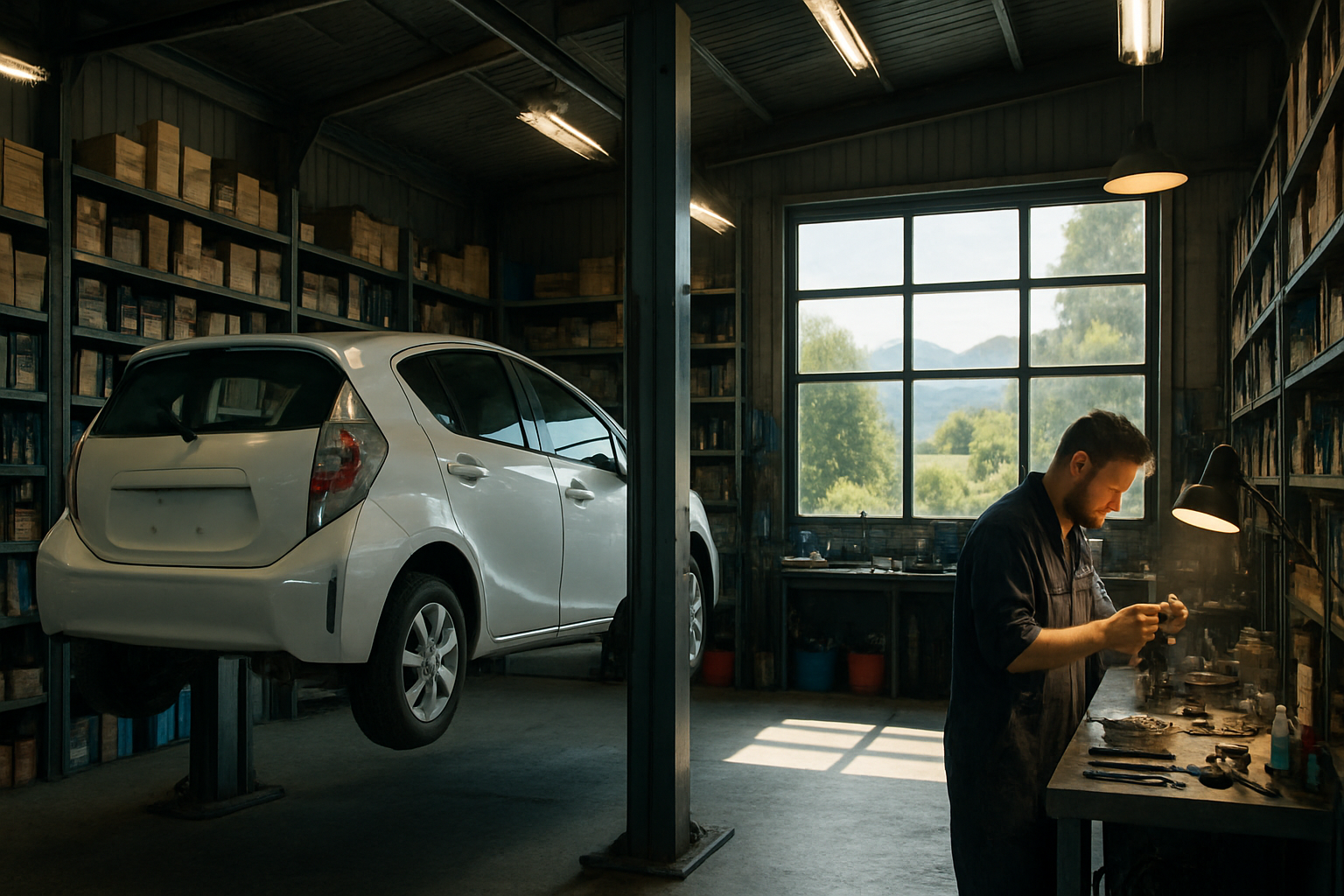
New Zealand has one of the most Japanese-dominated car markets in the world. Over 60% of vehicles on Kiwi roads were made in Japan — many imported as used vehicles through dealers and auctions. Toyota Aqua (Prius C), Honda Fit, Suzuki Swift, Mazda Demio, Nissan Note, Subaru Legacy — these are the cars that fill every car park from Whangarei to Invercargill.
The beauty for workshops: Japanese cars are reliable, well-built, and parts are standardised. The challenge: New Zealand is a small, remote market. Parts that are available same-day in Sydney or Auckland can take 3–5 days if your local supplier does not stock them.
The workshops that stock common Japanese parts avoid the wait — and keep customers happy.
The Top 10 Parts Every Kiwi Workshop Should Stock
Based on the most common repairs for NZ's most popular Japanese models:
- Brake pads — Aqua/Prius/Fit/Swift: $30–$60 per set wholesale. Stock 10 sets. Used weekly.
- Oil filters — Toyota/Honda/Mazda: $5–$15 each. Stock 20. Used daily.
- Air filters — common Japanese fitments: $15–$30 each. Stock 15. Changed at every service.
- Cabin filters — Aqua/Fit/Demio: $15–$25 each. Stock 10. Easy upsell at every service.
- Spark plugs — common Japanese: $8–$15 each. Stock 20. NGK/Denso covers 90% of Japanese cars.
- Wiper blades — standard sizes: $10–$25 per pair. Stock 10 pairs. WoF failure item — instant sale.
- CV boots — common sizes: $25–$50 each. Stock 6. Common WoF failure on older imports.
- Wheel bearings — common Japanese: $30–$80 each. Stock 4. Noisy bearings are a regular complaint.
- Thermostat — common Toyota/Honda: $20–$40 each. Stock 4. Overheating is common in summer.
- Bulb assortment — headlight/brake/indicator: $5–$15 each. Stock 20+. WoF failure — instant sale.
Total stock investment: $1,500–$3,000. Everything turns over in 4–6 weeks. No dead stock because these are the most common cars in New Zealand.
The "Parts Available Now" Advantage
When a customer brings in their Honda Fit with worn brake pads, you have two options:
Option A: "I need to order the pads. Come back in 3 days." Customer is disappointed. Maybe they go elsewhere.
Option B: "I have the pads in stock. I can do it this afternoon." Customer is delighted. Job done. Invoice paid. They tell their mates.
The difference in revenue: Option A = maybe $0 (lost customer). Option B = $200 today.
Tracking What You Use
After 3 months of tracking every part on every job in Mekavo, you know EXACTLY what to stock. "We used 8 sets of Aqua brake pads, 12 Toyota oil filters, and 6 cabin filters last month." Order accordingly. No guessing, no overstocking, no understocking.
Free for Kiwi workshops. Track parts, track suppliers, track costs. The data tells you what to buy — your gut does not have to.
Note on scenarios: The shops, names, addresses, and case reference numbers in this article are fictional and used solely to illustrate how the cited statutes operate in practice. Any resemblance to actual shops, owners, or events is coincidental. The statutes, regulations, and agency procedures cited are real and current as of publication.